Articles
2024/2025 UK Workplace Fatalities, High-Risk Sectors Under Scrutiny
Workplace safety is more than a regulatory requirement—it's a shared responsibility that shapes the wellbeing of individuals, families, and entire industries. Each year, the Health and Safety Executiv
Workplace safety is more than a regulatory requirement—it's a shared responsibility that shapes the wellbeing of individuals, families, and entire industries. Each year, the Health and Safety Executive (HSE) publishes data that not only reflects the state of occupational safety in Great Britain but also serves as a powerful reminder of the lives impacted by preventable incidents.
This article presents a summary of the latest 2024/25 fatality figures, highlights persistent risks in high-exposure sectors, and acknowledges progress driven by strong compliance and safety cultures—particularly within industries like oil and gas. It is both a reflection on what has been achieved and a call to remain vigilant.
Fatalities, not just numbers, but Lives lost
In 2024/25, 124 workers lost their lives due to work-related incidents in Great Britain—14 fewer than the previous year, marking a return to pre-pandemic levels. This figure is significantly lower than 223 fatalities recorded in 2004/05 and contrasts starkly with 495 deaths in 1981
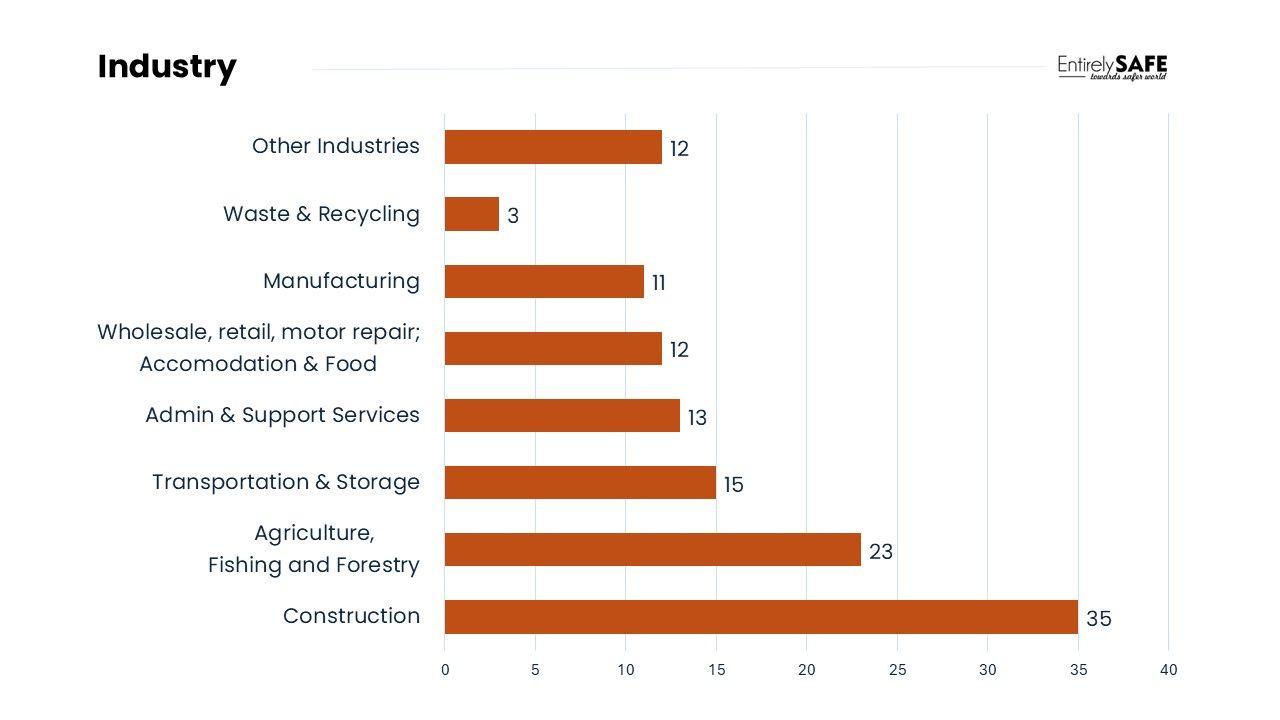
Leading Causes of Fatal Injuries remains falls from height, accounting for 35 fatalities, or over 25% of all work-related deaths.
Industries Breakdown
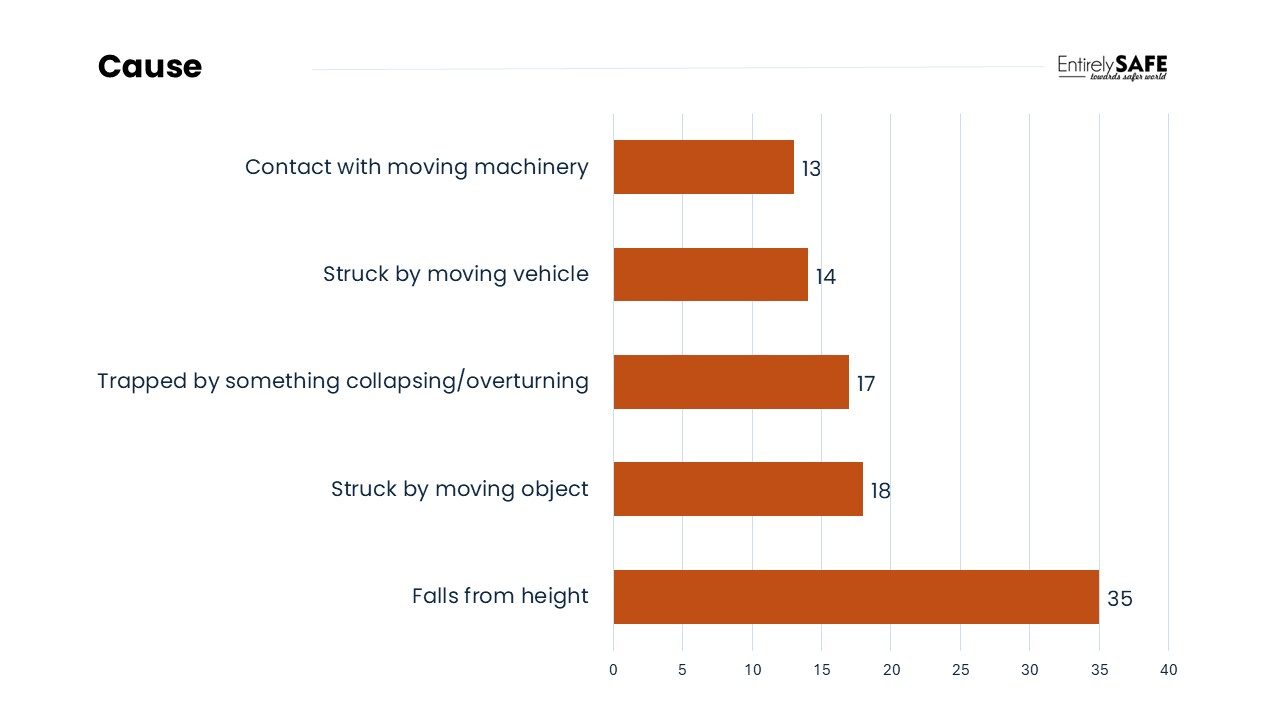
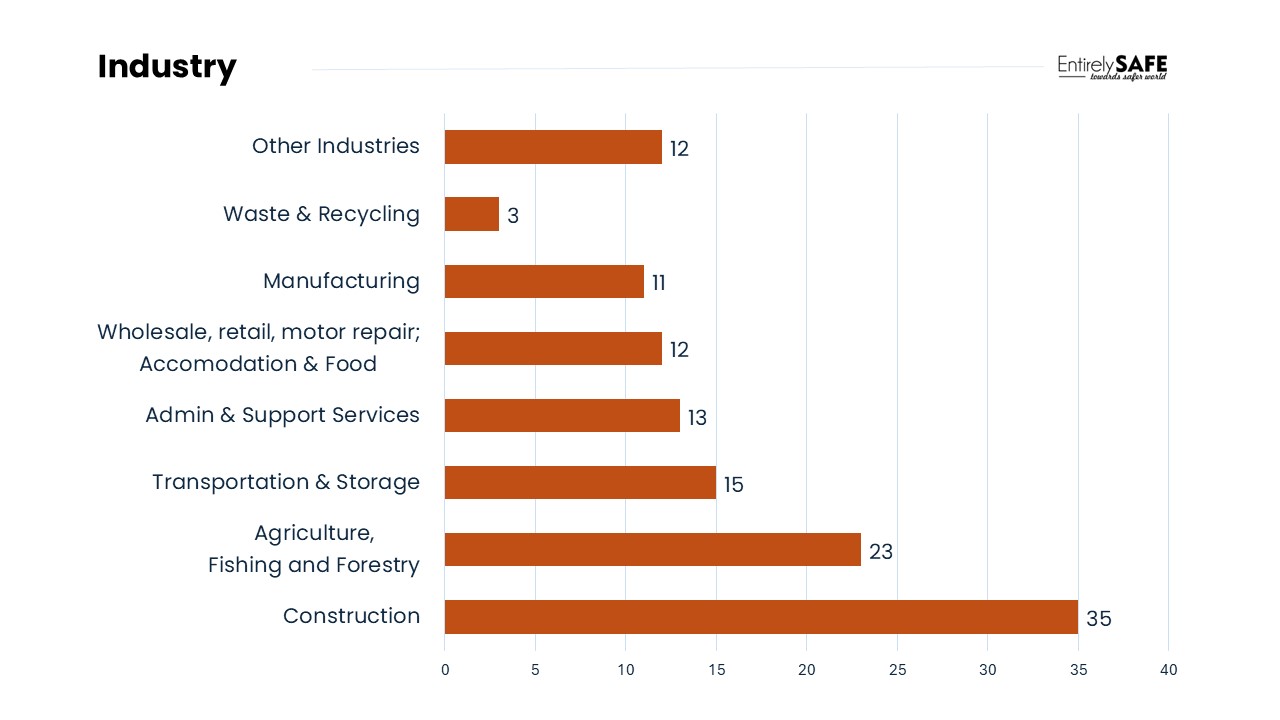
The construction sector recorded the highest number with 35 worker fatalities, while agriculture, forestry, and fishing saw 23 deaths. The risk in agriculture, forestry, and fishing remains disproportionately high when measured per 100,000 workers, followed closely by the waste and recycling sector.
Notably, the oil and gas sector, despite being classified as high risk, has maintained relatively better safety record in recent years. This is largely due to strict regulatory oversight, strong safety cultures, and disciplined adherence to safety procedures across offshore and onshore operations.
Is Public affected by the Incidents are the work sites?
It is sad to announce that an additional 92 members of the public, those who were present at a workplace but not employed there, were fatally injured in workplace-related incidents. This shows how accidents can affect anyone, even those who are just "outside" and not involved in the work. It's a heavy reminder of how dangerous things can become for totally innocent people.
Mesothelioma (Asbestos-Related Illness)
In 2023, 2,218 deaths due to mesothelioma were recorded. This represents a drop of 62 cases compared to 2022 and is lower than the 2011–2020 annual average of 2,508 deaths. As these deaths stem from historical asbestos exposures, numbers are expected to continue declining over the coming decade
Mesothelioma is a rare and aggressive form of cancer that primarily affects the lining of the lungs (pleura) and is almost always caused by exposure to asbestos. It develops many years—often decades—after inhaling asbestos fibers, which damage lung tissue over time. Most cases are diagnosed at a late stage, and the disease is typically fatal. Mesothelioma is preventable, as it is directly linked to occupational or environmental asbestos exposure.
Conclusion
Great Britain still remains as one of the safest places in the world to work, but we need to remember that each fatality is a tragedy for families, friends and communities. Nevertheless, the organizations and individuals must remain vigilant, avoid complacency, and make use of any HSE resources to safeguard life and health of the employees and the members of the public.
The downward trend in fatalities over the decades is a strong indication that regulation and prevention efforts are making a difference. Still, the continued risks—particularly in high-hazard sectors like construction and agriculture—highlight the need for further improvements. With falls from height remaining the most common cause of fatal injury, stronger emphasis on height safety measures remains critical.
Source: Latest annual work‑related fatalities published – HSE Press Release (2 July 2025)
Comments
Sign in to join the conversation