Articles
After the Flames: Wildfire Prevention in Bursa Starts with All of Us
The recent wildfire in Bursa, Turkey, is a painful reminder of how vulnerable our landscapes and communities are especially during the dry, hot months of summer. The fire spread rapidly, threatening h
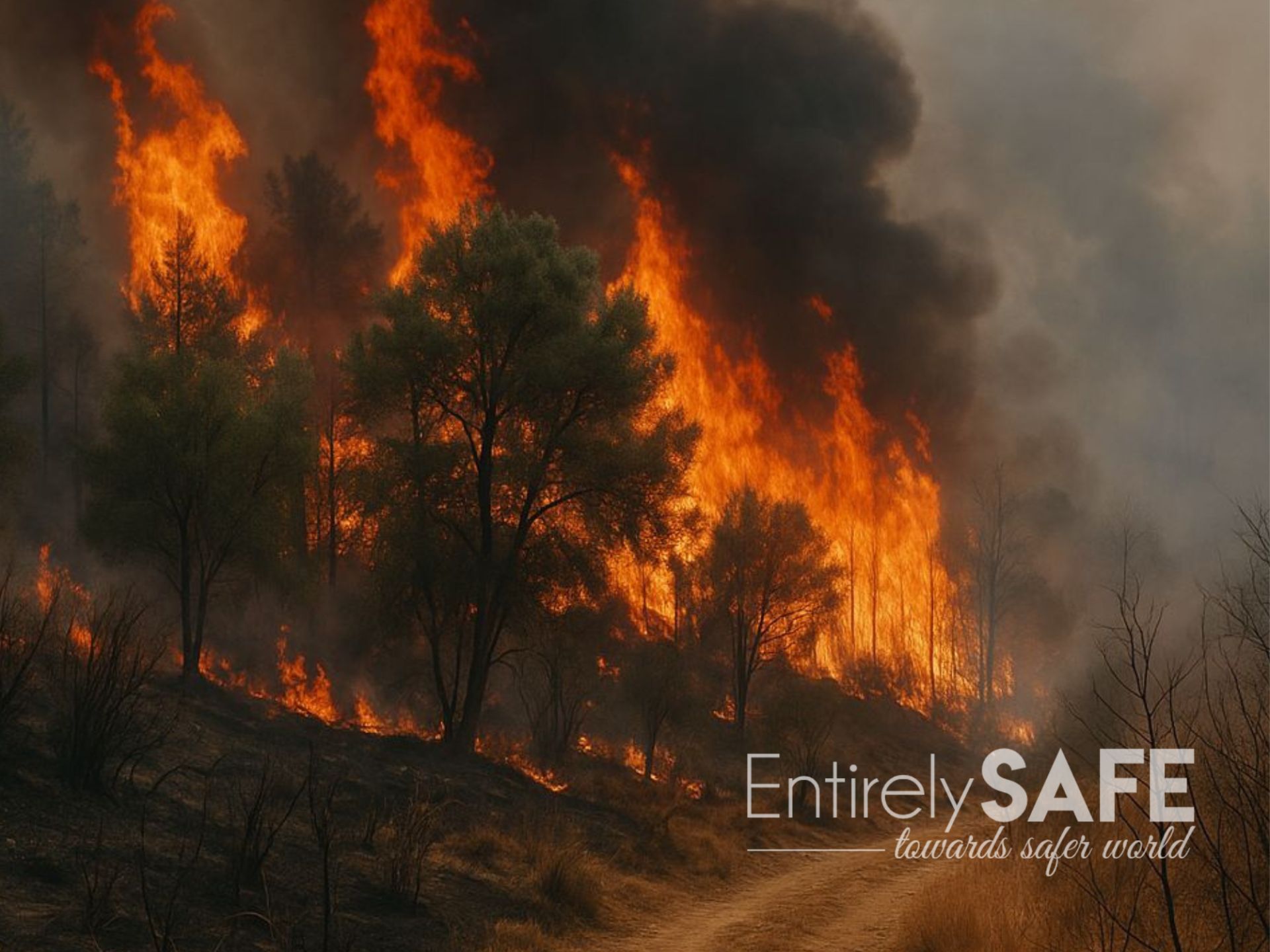
The recent wildfire in Bursa, Turkey, is a painful reminder of how vulnerable our landscapes and communities are especially during the dry, hot months of summer. The fire spread rapidly, threatening homes, ecosystems, and the health and safety of local residents. Though the flames may now be under control, the risk remains, and so does our collective responsibility. In the face of such devastation, it’s easy to feel powerless. But the truth is: most wildfires are not natural disasters they're human made. That means they can be prevented. Real change happens when individuals, organizations, and governments all take action to reduce the risk. This article breaks down clear, actionable steps that everyone can take, whether you're a concerned citizen, a business leader, or a policymaker.
Actions Individuals Must Take
You don’t need to wear a uniform to be a wildfire hero. Everyday people like you and me have a huge part to play in keeping our communities safe:
Don’t smoke, especially in or near forested areas. And if you still do, never toss cigarette butts on the ground or out of car windows.
Avoid lighting campfires or barbecues near forests, fields, or dry grass. One gust of wind can turn a spark into a disaster.
Never leave glass bottles or reflective trash outdoors. They can act like a magnifying glass and ignite dry vegetation.
Report signs of fire immediately. If you see smoke, call emergency services without hesitation. Quick action saves forests.
Don’t park on dry grass. A hot exhaust pipe can easily ignite dry material underneath your vehicle.
Clear dry debris like leaves, branches, and dead vegetation from around your home if you live near a wooded area.
Respect official fire bans. These are based on weather and vegetation conditions and exist to protect you.
Educate your children about the dangers of fire. Kids are curious, make sure they understand that
wildfires destroy lives and habitats.
Actions Organizations Should Take
Organizations, particularly those operating near forested or high-risk areas have a duty of care not only to their staff and operations but to the wider community and environment.
Develop and communicate fire safety protocols. Ensure all employees know what to do in the event of a wildfire, including evacuation procedures.
Provide fire safety training. All staff, especially those in outdoor or industrial roles, should be trained in fire prevention and first response.
Install fire suppression systems in critical areas, especially in facilities near dry vegetation.
Maintain clear zones around properties by removing flammable debris or storing combustible materials appropriately.
Equip outdoor workers with fire extinguishers, fire-retardant gear, and real-time weather updates during wildfire season.
Partner with local emergency services to develop a coordinated response plan.
Use signage to discourage smoking and unauthorized fire use around your premises.
Support public education campaigns. Sponsor or co-organize local awareness programs to teach the public about fire risk.
Actions Government Should Take
While individuals and organizations play a frontline role, long-term wildfire mitigation requires systemic action at the governmental level. Here’s what authorities must prioritize:
Enforce strict fire bans during dry seasons and ensure they’re clearly communicated via SMS alerts, public signage, and media campaigns.
Implement and fund reforestation and controlled burning programs to manage fuel loads in vulnerable regions.
Invest in early detection technologies, such as satellite surveillance, AI-powered fire prediction models, and fire watch towers.
Increase penalties for negligent fire related activities (e.g., illegal barbecuing, careless smoking).
Support local firefighting units with more personnel, modern equipment, and real-time communication tools.
Build community resilience by funding neighborhood emergency training, evacuation drills, and volunteer fire watch groups.
Incorporate fire-safe design in urban planning, creating firebreaks, using fire-resistant materials, and ensuring emergency vehicle access in rural communities.
Run national awareness campaigns, especially ahead of the summer season, focused on the causes and consequences of wildfires.
Conclusion
The wildfire in Bursa is a stark wake up call. Whether you’re a citizen walking in the forest, a company operating in rural areas, or a decision maker in public office, you have a role to play in preventing the next fire. Let this be the moment we stop thinking of wildfires as inevitable. They are not. They are human made and that means they are human preventable.
Let’s protect what we love our forests, our homes, our people.
The next fire doesn’t have to happen. Not if we act, together.
Comments
Sign in to join the conversation