Articles
Comprehensive Guide to Fall Protection Harnesses
Choosing the right fall protection system is a critical decision that directly impacts the physical well-being of workers and the overall safety culture of an organization. By understanding the specif
Feb 13, 2026 · 21 views
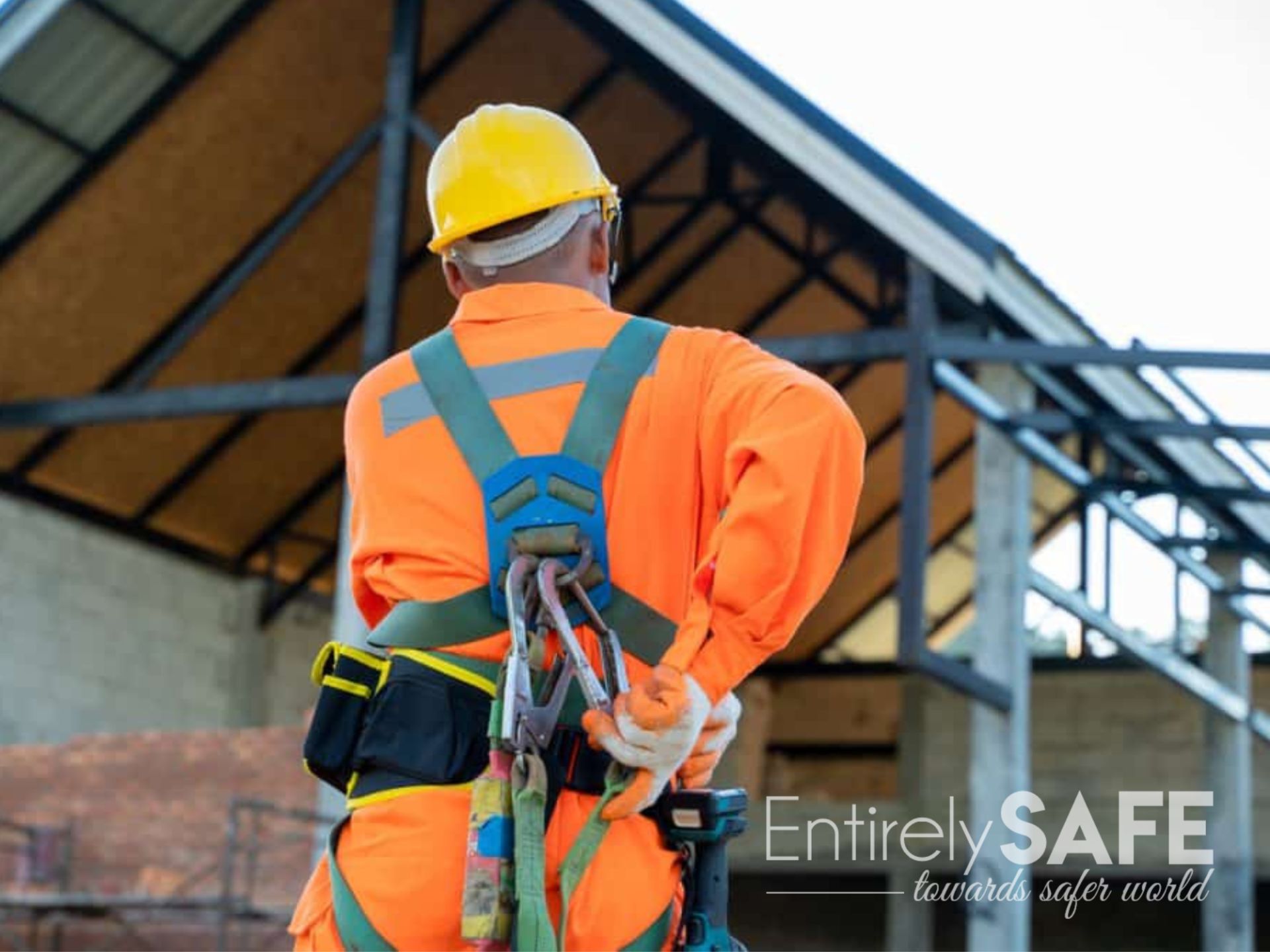
Choosing the right fall protection system is a critical decision that directly impacts the physical well-being of workers and the overall safety culture of an organization. By understanding the specific types of safety harnesses available and weighing their respective advantages and disadvantages, employers can empower their teams with the right equipment for the task at hand. This article explores the nuances of safety harnesses to ensure that every individual who works at height returns home safely at the end of the day.
Fall protection is not a one size fits all solution because every job site presents unique challenges and risks. The primary goal of a safety harness is to distribute the forces of a fall across the strongest parts of the human body, such as the pelvis and shoulders, while keeping the worker upright. Beyond mere compliance, selecting the right harness demonstrates a genuine commitment to worker dignity and health. When workers feel that their equipment is tailored to their specific environment and comfort, they are more likely to engage with safety protocols and take ownership of their own protection.
Common Types of Safety Harnesses for Different Industries
There are several specialized designs of safety harnesses intended for specific work applications. The most common is the full body harness used in general construction, which features multiple adjustment points for a secure fit. For those working in the electrical or utility sectors, arc flash harnesses are constructed from materials designed to resist high heat and electrical discharge. Tower climbing harnesses often include extra padding and tool loops for prolonged periods of suspension. Specialized versions also exist for confined space entry, featuring shoulder mounted attachment points for vertical retrieval.
The Advantages of Modern Fall Protection Systems
The primary benefit of a high quality safety harness is the significant reduction in the risk of fatal injury during a fall. Modern designs prioritize ergonomics, which reduces worker fatigue and increases productivity throughout the shift. Many harnesses now feature breathable mesh linings and lightweight hardware that make them easier to wear for eight hours or more. Furthermore, integrated trauma straps are becoming more common, allowing a fallen worker to stand up in their harness to alleviate pressure on the legs while awaiting rescue. This proactive approach to equipment design helps prevent secondary injuries like suspension trauma.
Understanding the Limitations and Challenges of Harness Use
Despite their life saving potential, harnesses are not without their drawbacks. One of the main challenges is the complexity of proper fitment, as an incorrectly donned harness can cause severe internal injuries during a fall. They can also be bulky and restrictive in tight spaces, which sometimes leads to worker frustration if the equipment is not matched to the task. Maintenance is another critical factor, as webbing can degrade over time due to ultraviolet light exposure, chemicals, or general wear and tear. A harness that has not been inspected daily or one that has already survived a fall event is no longer a reliable piece of safety equipment.
Conclusion
Selecting the appropriate fall protection equipment is a powerful way to show workers that their lives are valued above all else. Knowledge is the most effective tool in any safety arsenal, and understanding the differences between harness types ensures that protection is never compromised by a lack of information. By focusing on education and the right equipment rather than blaming individuals for risks, we create an environment where safety is a shared responsibility and a common goal.
Key Takeaways
Proper fit and regular inspections are mandatory to ensure the equipment functions as intended.
Ergonomic designs and trauma straps significantly improve worker comfort and post fall survival.
Investing in high quality equipment fosters a positive safety culture rooted in care and protection.
Full body harnesses are the industry standard for distributing fall arrest forces safely.
Specialized harnesses like arc flash or tower climbing models address specific environmental hazards.
Comments
Sign in to join the conversation