Articles
Heavy Toll: Balancing Helicopter Safety Limits with Offshore Workforce Realities
New helicopter passenger weight and size restrictions in the North Sea highlight a growing conflict between emergency evacuation safety regulations and workforce physical demographics.
Sep 7, 2026 · 9 views
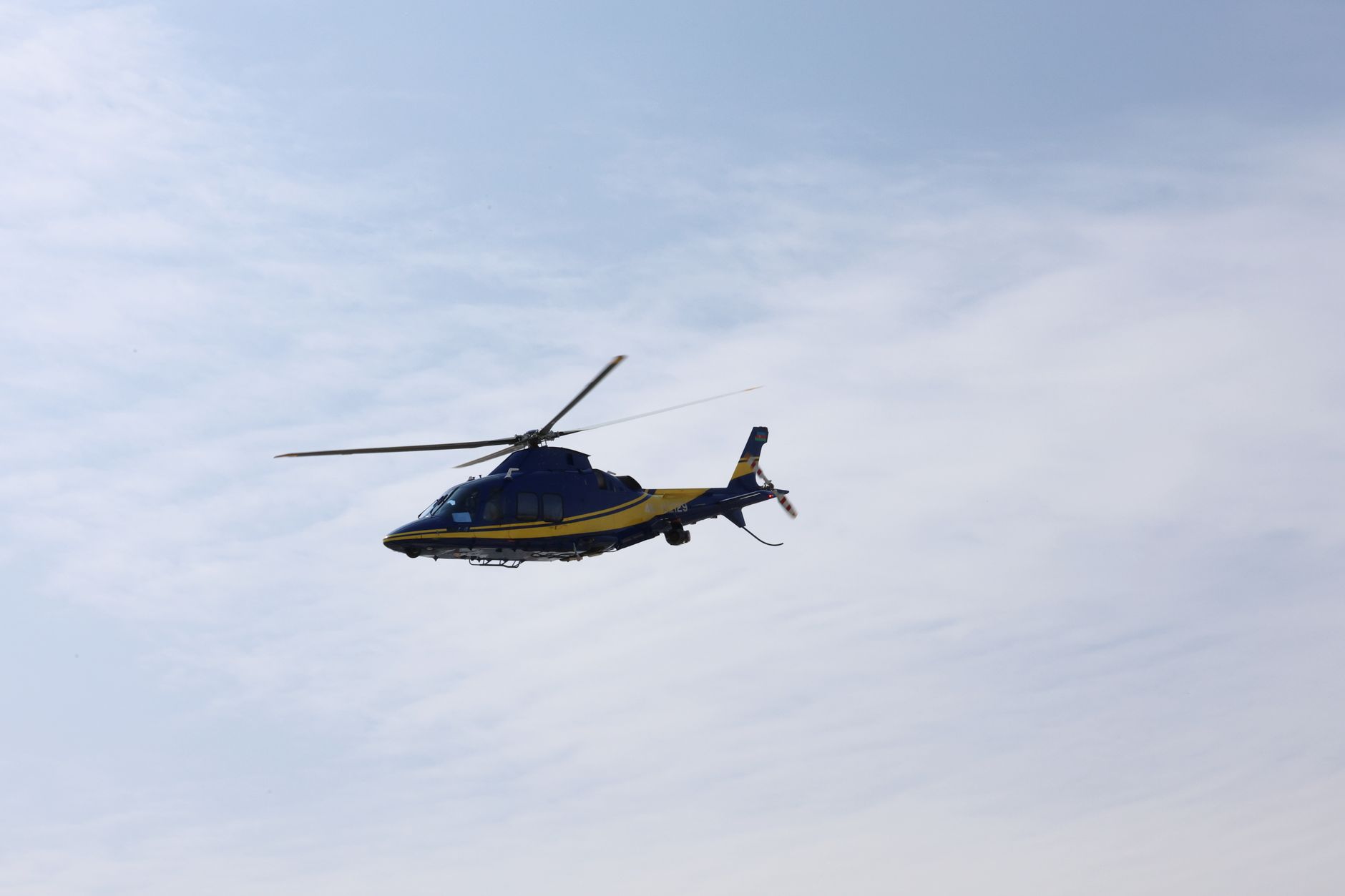
Photo by Tahir Xəlfəquliyev on Pexels
The Intersection of Safety and Demographics
The recent implementation of stricter passenger weight and size restrictions for North Sea helicopter transits has sent shockwaves through the offshore energy sector. As reported by the BBC, hundreds of offshore workers have been grounded because they exceed the physical dimensions required for safe helicopter transport. This situation highlights a complex, systemic challenge facing the global offshore industry: the clash between stringent emergency safety regulations, changing workforce demographics, and the rigid logistical realities of offshore transport.
While safety regulations are designed with the sole intent of protecting lives, their real-world application can sometimes expose friction points within the supply chain. In this case, the physical standards required to ensure survival during an aviation emergency have directly impacted the availability of the skilled labor force required to operate offshore platforms.
The Physics of Helicopter Egress
To understand why these regulations are necessary, one must look at the mechanics of helicopter ditching and emergency egress. Helicopter transits over hostile waters, such as the North Sea, carry inherent risks. In the rare event of a controlled water landing or a capsize, the cabin can fill with water rapidly, often flipping upside down due to the aircraft's high center of gravity.
In such scenarios, survival depends entirely on the speed at which passengers can escape. Helicopter windows serve as the primary emergency exits. Standard emergency egress windows are designed to accommodate a specific range of body dimensions. When a passenger's physical size—particularly shoulder width or overall body mass—exceeds these parameters, the risk of becoming trapped during an evacuation increases exponentially.
This risk is heavily compounded by the protective equipment that offshore workers must wear during transit. Immersion suits, life jackets, and Emergency Breathing Systems (EBS) add significant bulk to a passenger's frame. A window that is easily passable in standard clothing can become a major bottleneck when attempted in full survival gear under freezing, pitch-black water.
Demographic Shifts and the Industrial Athlete
The grounding of workers highlights a broader demographic trend within the heavy industry sectors. The average physical profile of the offshore worker has changed over recent decades. The combination of an aging workforce, long shift patterns, high-calorie offshore dining, and limited space for physical recreation on platforms has contributed to an upward trend in average body mass index (BMI) and physical size.
This demographic shift creates a direct mismatch with aviation safety designs. Many transport helicopters in service today were designed decades ago, utilizing physical averages for passenger weight and size that do not reflect the modern industrial workforce. When regulators update safety standards to reflect actual survival statistics and physical testing, the gap between the design limits of the aircraft and the physical reality of the workforce becomes glaringly apparent.
Logistical Bottlenecks and Operational Strain
From an operational standpoint, managing passenger physical classifications is a logistical nightmare for offshore operators. Under current guidelines, passengers are categorized based on their physical dimensions. For example, those classified as "Extra-Broad" (X-BR) must be allocated specific seats next to larger emergency exits.
This requirement introduces several immediate challenges:
- Seating Limitations: Helicopters have a limited number of designated X-BR seats. If a flight has more X-BR passengers than available designated seats, some workers must be left behind, regardless of their operational importance on the platform.
- Payload Restrictions: Helicopter operators must manage strict overall payload limits. An increase in the average weight of passengers means fewer people can be carried per flight, increasing the total number of flights required and raising operational costs.
- Staffing Shortages: When key technicians or engineers are grounded due to size restrictions, offshore operations can suffer immediate delays. Finding qualified replacements who also meet the physical transit criteria can take days or weeks.
Regulatory Standards and Global Implications
While this issue is currently most visible in the North Sea under the jurisdiction of the UK Civil Aviation Authority (CAA) and the European Union Aviation Safety Agency (EASA), it is a global concern. Organizations such as the International Association of Oil & Gas Producers (IOGP) and various national regulators are closely monitoring these developments.
As safety standards continue to harmonize internationally, operators in other regions—including the Gulf of Mexico, West Africa, and Asia-Pacific—can expect similar scrutiny regarding passenger physical dimensions and helicopter egress safety. Proactive management is essential to prevent sudden operational disruptions worldwide.
Practical Strategies for Operators and Employers
Addressing this challenge requires a balanced approach that prioritizes safety without unfairly penalizing the workforce. Employers and offshore operators can take several practical steps to manage this issue effectively:
1. Proactive Health and Wellness Initiatives
Employers should invest in comprehensive, long-term health and wellness programs specifically tailored for offshore workers. These programs should focus on nutrition, cardiovascular health, and strength training, helping workers maintain a physical profile that ensures safe transit and overall well-being.
2. Transparent Physical Screening
Physical sizing and weight assessments should be integrated into routine offshore medical examinations. By identifying potential transit restrictions early, employers and workers can address physical health concerns proactively, rather than facing sudden groundings at the heliport.
3. Collaborative Flight Planning
Offshore logistics teams must work closely with helicopter operators to optimize flight manifests. Utilizing advanced booking systems that track passenger physical classifications can ensure that X-BR seats are allocated efficiently and that flights do not exceed payload limits.
4. Compassionate HR Policies
Grounding a worker due to physical size can have significant professional, financial, and psychological impacts. Companies must handle these situations with sensitivity. HR policies should offer support, including access to fitness coaching and dietary counseling, and explore temporary onshore redeployment options where feasible.
Key Takeaways
- Egress Safety is Paramount: Helicopter weight and size limits are strictly enforced to ensure rapid evacuation through emergency exits during a water ditching scenario.
- Demographic Mismatch: The physical size of the modern offshore workforce has outpaced the historical design parameters of many transit helicopters.
- Operational Disruption: Seating restrictions for "Extra-Broad" (X-BR) passengers lead to logistical bottlenecks, flight delays, and potential staffing shortages on offshore platforms.
- Proactive Wellness is Key: Employers must support workers through targeted health, nutrition, and fitness programs to help them meet necessary safety standards.
- Global Relevance: While currently prominent in the North Sea, physical safety standards for helicopter transit are likely to influence global offshore regulations.
Comments
Sign in to join the conversation