Articles
Incident Investigation Report
This article provides a comprehensive overview of the importance of conducting Incident Investigations and the key elements that make up an effective report. Understanding the process of investigating
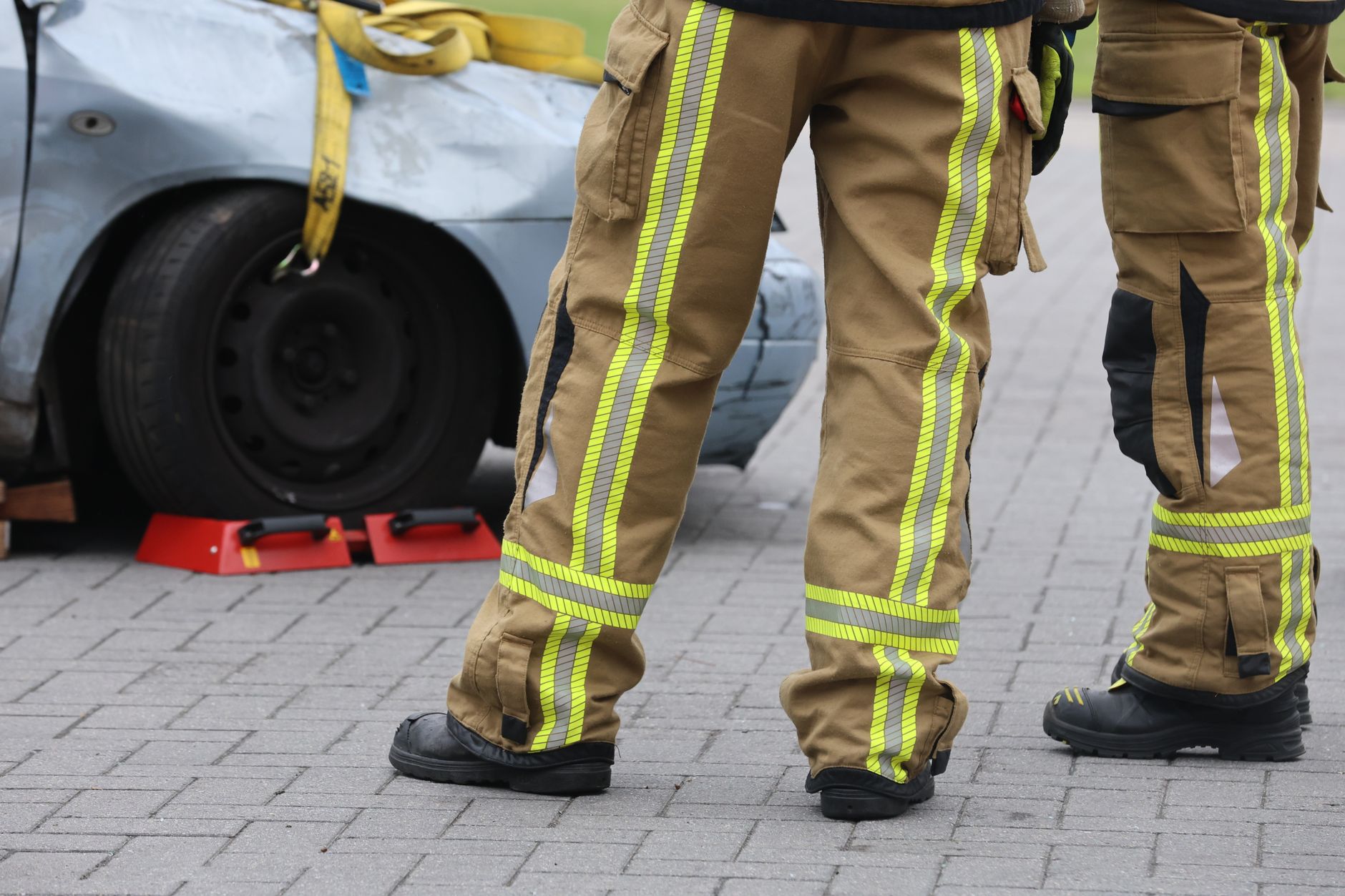
This article provides a comprehensive overview of the importance of conducting Incident Investigations and the key elements that make up an effective report. Understanding the process of investigating incidents and documenting findings is crucial in preventing future occurrences and ensuring workplace safety. This article serves as a guide for individuals and organizations looking to improve their incident investigation processes and produce effective reports.
Administrative Content
Cover page
Accident title and date
File index number
Name of Company concerned
List of Contents
Investigation Process
Investigation Team Members and Roles
The mandate given to the Investigation Team
Description of the investigation process incl. timing and methods used, e.g. investigation methodology, meetings, interviews, re-enactment, etc.
Executive Summary
Brief description of the event, its consequences and the main conclusions of the investigation.
Facts about the Accident
Facts in chronological order
Description of sequence of events
Emergency Arrangements
Evaluation of the effectiveness of any emergency response activities
Findings
Description of findings and observations made by the investigation team
Consequences of Incident
Describe immediate and any long term
Controls in Place Relevant to the Accident
Procedures, instructions, training and organizational issues
Technical barriers incl. detection and alarms
Causes of the Accident
1.Immediate causes
unsafe actions
communication
use of tools and equipment
use of protective methods
inattention/lack of awareness
unsafe conditions
protective systems
transportation, equipment, and tools
work exposure
workplace environment/layout
2.Underlying causes
human factors
physical capabilities
physical conditions
mental state
mental stress
conduct
skill level
workplace factors
training/knowledge transfer
management/supervision/employee leadership
contractor selection and oversight
engineering design
work planning
purchasing, material handling, and material control
tools and equipment
work rules/policies / standards/procedures
communication
3.Management system failures
leadership
risk management
strategy and planning
people and competency
asset integrity management
procedures
contractor and supplier management
operating responsibility
crisis and emergency response
performance and assurance
Incident Causation Matrix Tool
Conclusion about Incident
Investigation Team Leader’s conclusions incl. descriptions of reasoning and references to Event Trees, Interviews, Observations, Technical findings etc.
Recommendation
Include details of what, who, when and any verification requirements e.g. audit.
Distinguish between organizational items (e.g. training), technical items (e.g. modifications) and management systems (e.g. procedures and policies)
Immediate (remedial action that will temporarily maintain safety integrity)
Short-term (preventive action that can be executed at short notice)
Long-term (preventive action involving long lead items or processes)
Similar Events, if any
Attachments
Incident Scene:
Photos;
Videos;
Drawings;
Plans;
Technology:
Equipment Certificates;
Data sheets, technical documents
Organization:
Toolbox Cards;
PTW;
Isolation;
SOP;
Procedures;
Miscellaneous Registers (PTW, Isolation, Drops etc.)
Environment
People
POB;
Statements, interview transcripts etc;
Personnel Certificates;
Training Records;
Fitness to Work;
Comments
Sign in to join the conversation