Articles
Mitigating Risks in Alternative-Fuel Fleet Maintenance: Lessons from the Alberta Bus Explosion
A recent propane bus explosion in Alberta resulting in 10 OHS charges highlights the critical safety hazards of servicing alternative-fuel vehicles in modern workshops.
Sep 4, 2026 · 7 views
The Evolving Landscape of Fleet Maintenance
The global transition toward cleaner, alternative-fuel vehicles is well underway. Fleets worldwide are increasingly adopting liquefied petroleum gas (LPG/propane), compressed natural gas (CNG), liquefied natural gas (LNG), and hydrogen to reduce carbon footprints and lower operating costs. However, this rapid technological shift brings unique, often overlooked hazards to the maintenance workshop. Traditional automotive repair facilities, designed primarily for diesel and gasoline vehicles, are frequently ill-equipped to handle the safety challenges associated with high-pressure, highly flammable alternative fuels.
A stark reminder of these emerging risks occurred recently in Alberta, Canada. An investigation into a propane-fueled bus explosion has culminated in 10 occupational health and safety (OHS) charges against a transport company. According to regulators, the employer failed to ensure the health and safety of workers performing maintenance on alternative-fuel vehicles. The incident, as reported by Canadian Occupational Safety, highlights the critical necessity for employers to update their safety management systems, facility designs, and technician training programs to match the demands of alternative-fuel technology.
Understanding the Hazards of Propane and Compressed Gases
To safely service propane-fueled vehicles, maintenance teams must first understand the physical and chemical properties of the fuel. Unlike conventional liquid fuels, propane is stored under pressure as a liquefied gas. When released into the atmosphere, it expands rapidly, vaporizing into a gas that is approximately 270 times its liquid volume. This rapid expansion presents several immediate dangers to personnel and infrastructure.
First, propane is heavier than air, with a relative density of approximately 1.5. If a leak occurs during maintenance, the gas does not rise and dissipate. Instead, it sinks to the floor, pooling in low-lying areas such as service pits, floor drains, and trenches. This creates an invisible, odorless (unless odorized) hazard zone. If a worker enters a service pit where propane has accumulated, they face not only an extreme fire and explosion risk but also the threat of asphyxiation, as the heavier gas displaces oxygen.
Second, the pressurized nature of LPG introduces cryogenic hazards. Direct contact with escaping liquid propane can cause severe freeze burns and frostbite to skin and eyes. Additionally, the high pressure within fuel lines and tanks means that any component failure during servicing can lead to explosive decompression, projectile hazards, or sudden fuel line rupture.
The Critical Role of Facility Design and Ventilation
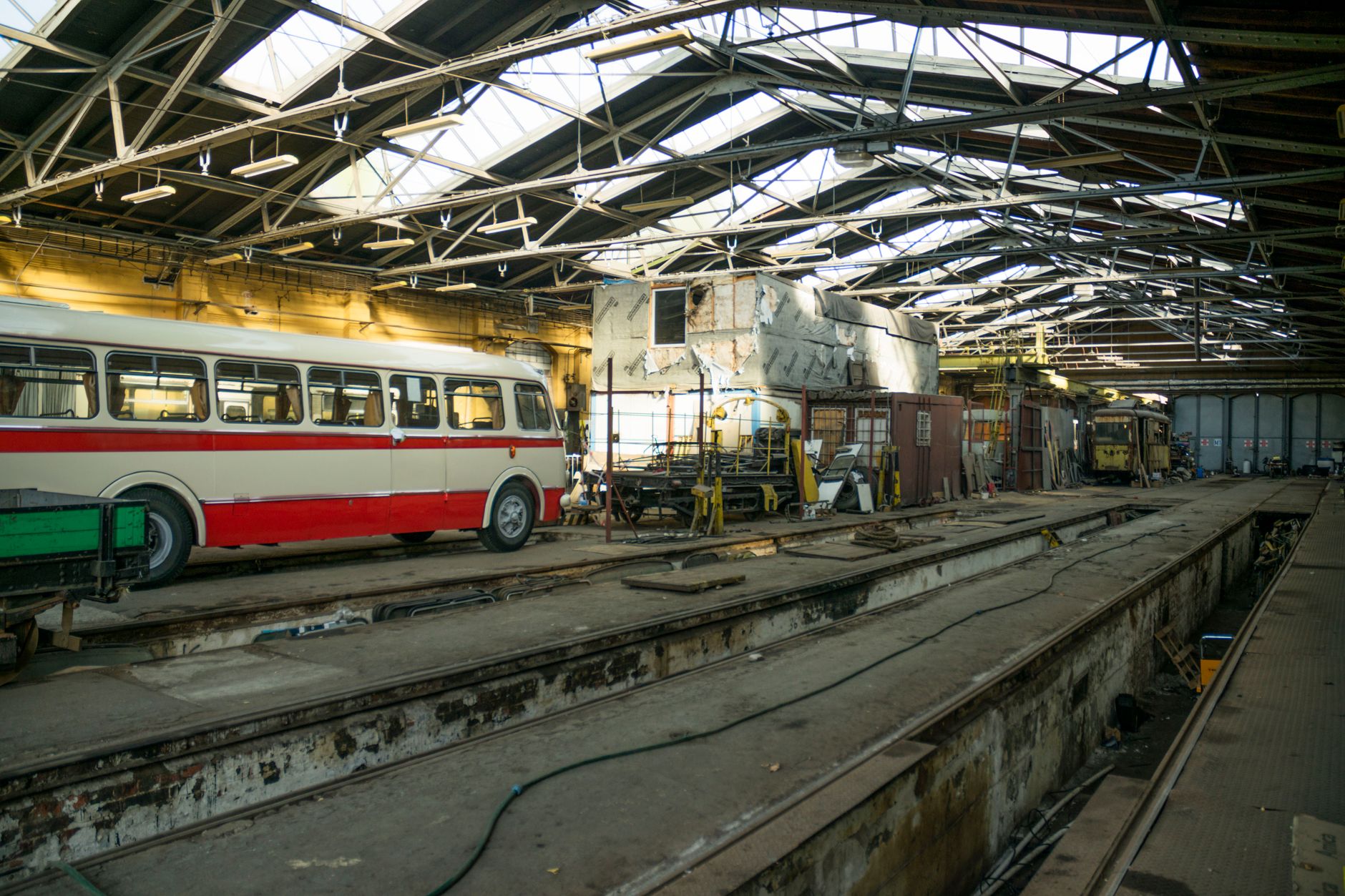
Many workshops currently servicing alternative-fuel vehicles were originally built for traditional internal combustion engine maintenance. Standard garage ventilation systems are typically designed to capture rising exhaust fumes near the ceiling. Because propane pools at floor level, standard ventilation is entirely inadequate for preventing explosive atmospheres.
To safely accommodate propane vehicles, workshops must be retrofitted or constructed with specialized ventilation and electrical systems. Floor-level mechanical exhaust systems are essential. These systems must be designed to continuously pull air from the lowest points of the workspace, including service pits, and discharge it safely outdoors.
Furthermore, electrical equipment within these low-lying zones must comply with hazardous location classifications, such as Class I, Division 1 or Division 2 standards (or international equivalents like ATEX/IECEx zones). Standard shop tools, non-explosion-proof drop lights, and conventional heating units can easily generate the spark required to ignite a localized propane-air mixture.
Global Regulatory Frameworks and Standards
As regulatory bodies worldwide respond to the rise of alternative-fuel fleets, standards have become more stringent. Employers must look beyond basic OHS acts to specific technical standards governing gaseous fuels.
In North America, standards such as NFPA 58 (Liquefied Petroleum Gas Code) and NFPA 30A (Code for Motor Fuel Dispensing Facilities and Repair Garages) outline strict requirements for servicing LPG vehicles. In Canada, CSA B149.5 provides detailed codes for the installation and handling of propane fuel systems on vehicles. Internationally, European standards such as EN 12979 and various ISO guidelines dictate the safety parameters for LPG vehicle systems and workshop safety.
Regardless of the specific regional jurisdiction, the overarching legal duty of care remains the same: employers must conduct comprehensive risk assessments, establish safe systems of work, and ensure that only competent, certified personnel perform maintenance on alternative-fuel systems.
Actionable Safety Strategies for Employers and Workers
Preventing catastrophic incidents like the Alberta bus explosion requires a proactive, multi-layered approach to workshop safety. Employers should implement the following protocols immediately:
1. Implement Dedicated Fuel Isolation Procedures
Before any maintenance work begins on a propane or alternative-fuel vehicle, the fuel system must be safely isolated. This involves closing the manual shut-off valve on the fuel tank and running the engine until the remaining fuel in the lines is completely consumed. Only when the lines are depressurized should technicians proceed with repairs.
2. Install Continuous Gas Detection Systems
Workshops servicing LPG vehicles should be equipped with continuous, fixed combustible gas detection systems. Sensors must be placed at floor level and in service pits. These systems should be integrated with audible and visual alarms, as well as automatic shut-offs for workshop heating systems and automatic activation of emergency exhaust ventilation.
3. Mandate Specialized Training and Certification
General automotive mechanics should never perform maintenance on alternative-fuel systems without specialized training. Employers must ensure technicians are certified in the specific fuel system they are servicing. Training must cover fuel system architecture, pressure relief device (PRD) safety, leak testing procedures, and emergency response protocols.
4. Re-evaluate Service Pits and Low-Lying Areas
If a workshop utilizes service pits, strict administrative controls must be enforced. Pits should be classified as confined spaces or hazardous locations where hot work (such as welding or grinding) is prohibited unless thorough gas testing has been conducted and continuous ventilation is active.
5. Develop Gas-Specific Emergency Response Plans
Standard fire evacuation plans may not suffice during an LPG release. Emergency procedures must specifically address gas leaks, including the immediate evacuation of the facility, the elimination of all ignition sources, and the notification of emergency services trained in handling pressurized gas fires.
Conclusion
The transition to alternative fuels offers significant environmental benefits, but it must not come at the cost of worker safety. The 10 OHS charges arising from the Alberta propane bus explosion serve as a critical warning to fleet operators and maintenance providers globally. By understanding the unique physical properties of alternative fuels, upgrading facility infrastructure, and investing in specialized technician training, employers can ensure their workshops remain safe, compliant, and prepared for the future of transportation.
Key Takeaways
- Unique Physical Hazards: Propane is heavier than air and pools in low-lying areas like service pits, creating invisible ignition and asphyxiation hazards.
- Facility Retrofits Required: Standard workshop ventilation is insufficient; specialized floor-level exhaust systems and explosion-proof electrical equipment are necessary.
- Strict Fuel Isolation: Technicians must isolate and depressurize fuel lines before commencing any maintenance work on alternative-fuel vehicles.
- Continuous Monitoring: Installing fixed, floor-level combustible gas detectors integrated with alarm and ventilation systems is critical for early leak detection.
- Competency and Certification: Only technicians with specialized, fuel-specific training and certification should be permitted to service alternative-fuel systems.
Comments
Sign in to join the conversation