Articles
Moving Beyond Compliance: The ASSP 2026 Report and the Future of EHS
Introduction: A New Era for Workplace SafetyThe American Society of Safety Professionals (ASSP) recently released its 2026 Corporate Listening Tour report. This document signals a major shift in how c
Introduction: A New Era for Workplace Safety
The American Society of Safety Professionals (ASSP) recently released its 2026 Corporate Listening Tour report. This document signals a major shift in how companies should handle Health, Safety, and Environment (EHS) protocols. Instead of viewing safety as a list of rules to follow, the industry is moving toward a "systems-based" approach where safety is integrated into every part of the business.
Workforce Instability as a Primary Risk
One of the most important findings in the report is that high employee turnover is now a major safety risk. When experienced workers leave, they take their safety knowledge with them. New employees often take 12 to 18 months to become fully proficient in safety protocols. For safety managers, this means that retaining experienced staff is just as important as providing good training for new ones.
The Role of Technology and AI
Artificial Intelligence (AI) is becoming a common tool on industrial sites. However, the ASSP warns against relying too much on automation. The report promotes "human-in-the-loop" verification. This means that while AI can help monitor hazards, human judgment must remain the final authority in making safety decisions. Technology is a tool to help us, not a replacement for a trained safety professional.
Mental Health as Foundation of Safety
The report makes a direct link between mental health and physical safety. Issues like stress, fatigue, and burnout are no longer just "HR issues." They are direct causes of workplace accidents. Leading companies are now treating psychological safety as a foundational part of their infrastructure. A worker who is mentally exhausted is at a much higher risk of making a mistake that could lead to an injury.
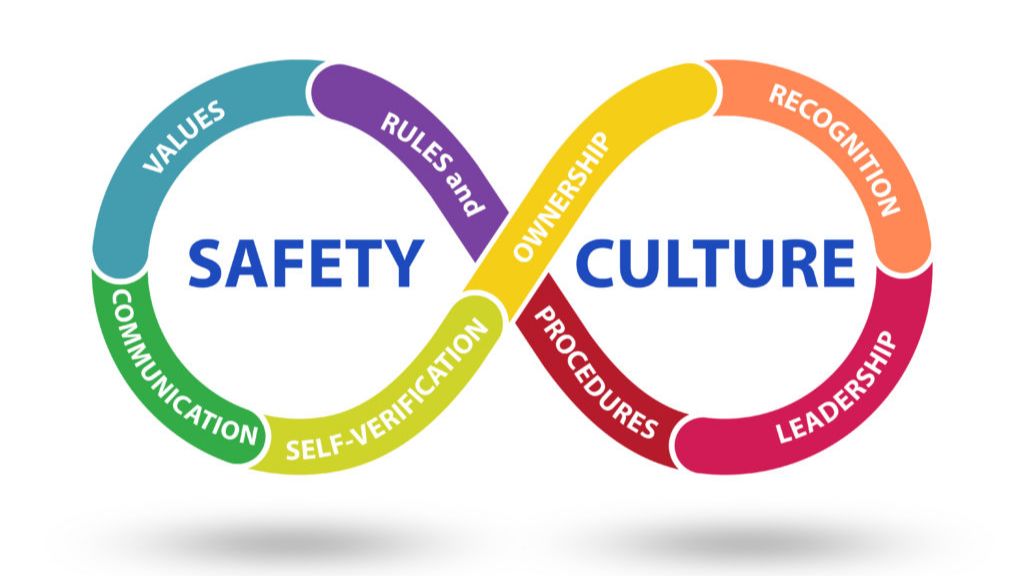
Conclusion: From Compliance to Culture
To remain competitive and safe in 2026, companies must move away from "command-and-control" styles of leadership. Trust and collaboration are the new tools for safety success. By focusing on workforce stability, the smart use of technology, and the mental well-being of employees, we can create an environment that is truly Entirely Safe.
Comments
Sign in to join the conversation