Articles
Navigating IATA Dangerous Goods Regulations for Air Freight
Transporting hazardous materials by air requires strict adherence to international safety standards to protect passengers, crew members, and aircraft. The International Air Transport Association provi
Feb 13, 2026 · 19 views
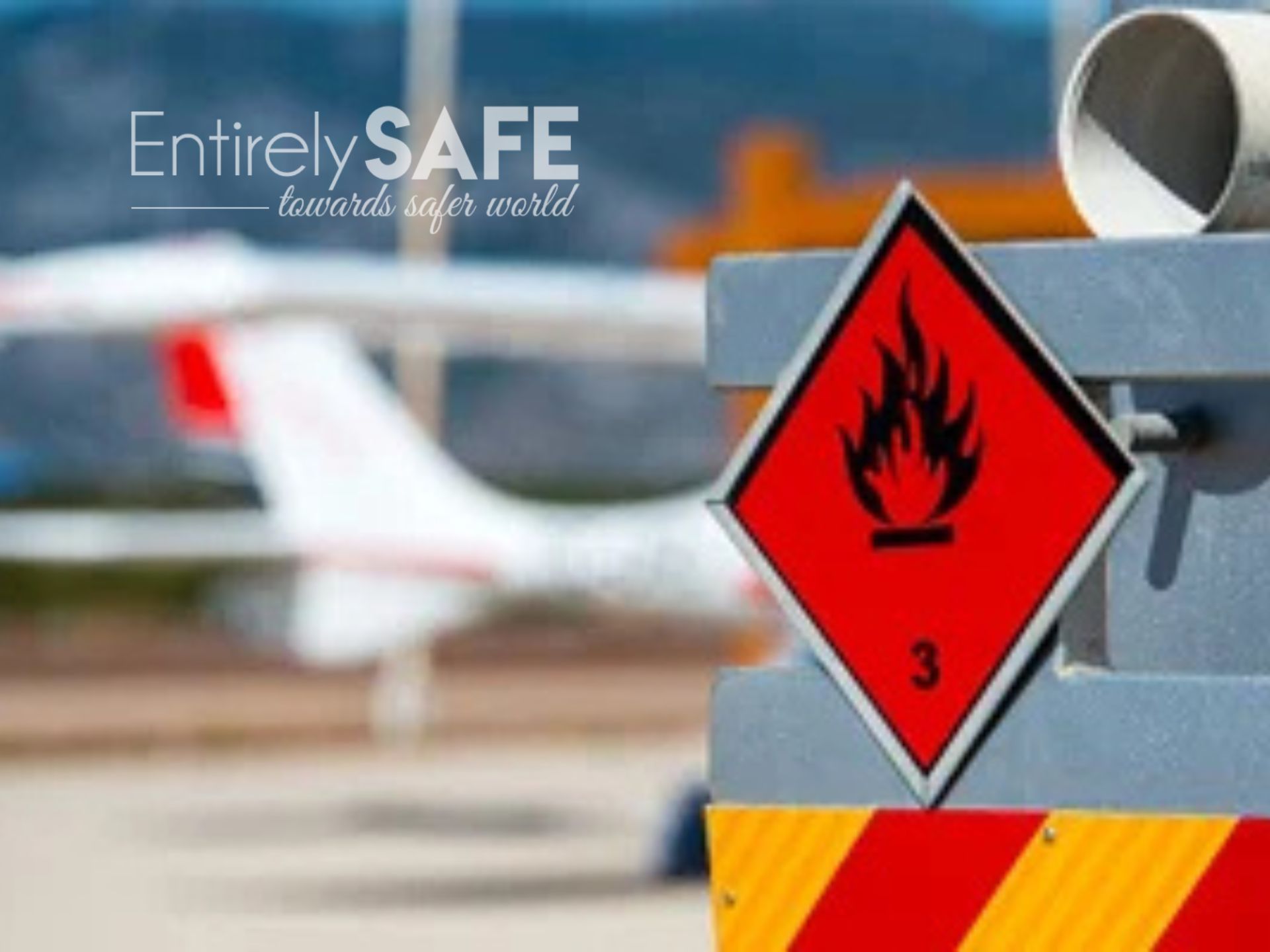
Transporting hazardous materials by air requires strict adherence to international safety standards to protect passengers, crew members, and aircraft. The International Air Transport Association provides the definitive manual for shipping these sensitive materials safely and legally. Navigating these rules is legally required for shippers, packers, and freight forwarders handling potentially dangerous air cargo globally.
The Scope of Regulated Materials
Many items that seem harmless on the ground can become highly dangerous when exposed to atmospheric pressure changes, temperature variations, and vibrations during a flight. The international regulations cover obvious hazards like explosives and toxic chemicals, but they also apply to everyday commercial products such as lithium batteries, aerosols, dry ice, and certain cosmetics. Proper identification of these goods is the crucial first step in the shipping process.
The Nine Hazard Classes
To standardize global shipping protocols, hazardous materials are categorized into nine distinct classes based on the specific type of risk they present. These classes include explosives, gases, flammable liquids, flammable solids, oxidizing substances, toxic and infectious substances, radioactive materials, corrosives, and a miscellaneous category. Each class dictates the specific handling, packaging, and segregation protocols that must be followed during transit.
Strict Packaging and Labeling Standards
Once an item is classified, it must be packed according to rigorous specifications to prevent leaks, spills, or reactions during flight. Most dangerous goods require specialized testing and certification packaging. Furthermore, every package must clearly display specific hazard diamond labels, proper shipping names, and United Nations identification numbers. A specialized shipping document must also accompany the cargo to inform the airline captain of the exact location and nature of the goods on board.
Mandatory Personnel Training
Compliance with air transport regulations relies heavily on human knowledge and accountability. Any individual involved in the preparation, packing, handling, or processing of hazardous air cargo must undergo mandatory competency-based training and assessment. This certification ensures that personnel are fully equipped to recognize hidden hazards, apply the correct packaging procedures, and respond appropriately to emergencies. Recertification is typically required every two years to keep staff updated on regulatory changes.
Conclusion
Ensuring the safe transport of hazardous materials by air is a shared responsibility that demands complete compliance with established international guidelines. By adhering to proper classification, packaging, labeling, and training requirements, businesses can prevent catastrophic incidents and avoid severe legal penalties. Ultimately, these regulations facilitate the smooth and secure movement of essential global trade.
Takeaways:
Dangerous goods encompass both industrial chemicals and common commercial items.
Items are categorized into nine distinct hazard classes that dictate all handling procedures.
Specialized packaging, precise labeling, and accurate documentation are mandatory.
Personnel handling these shipments must maintain current competency-based training certifications.
Comments
Sign in to join the conversation