Articles
Night That Lit the Skies of Chester County
Before dawn broke over Chester County, a brilliant orange glow pierced the darkness above the quiet rural fields of Atglen. It was around three o’clock on Tuesday morning when flames burst from the Ac
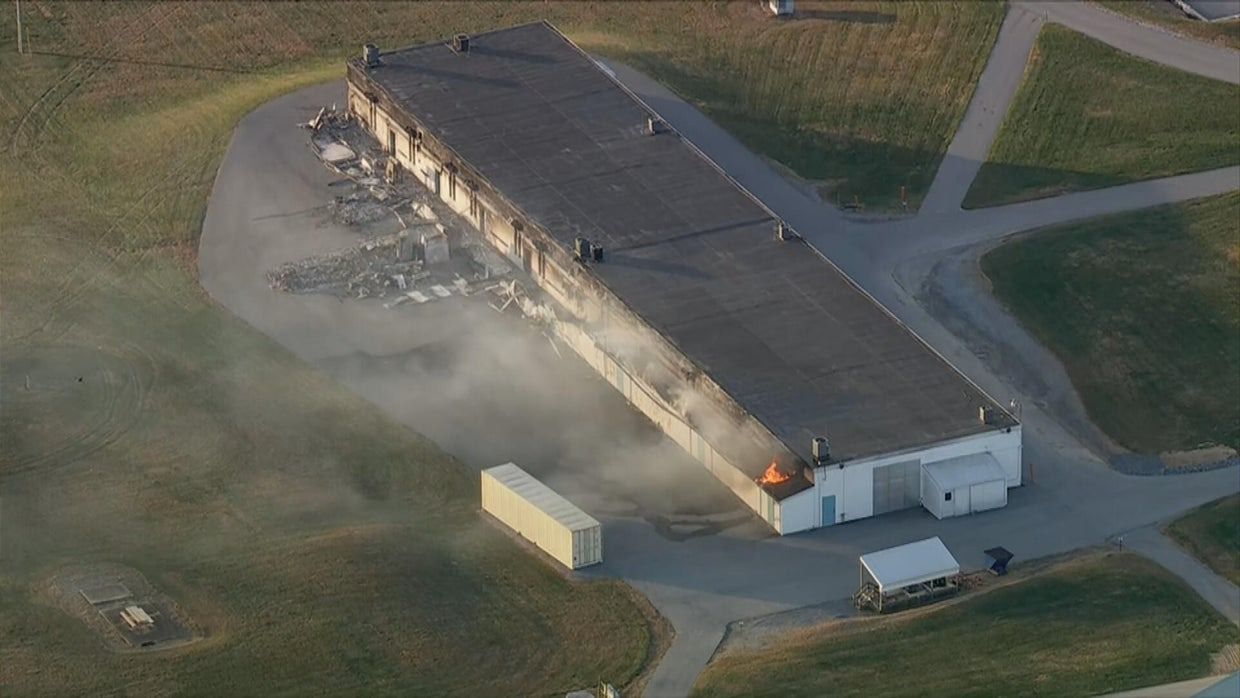
Before dawn broke over Chester County, a brilliant orange glow pierced the darkness above the quiet rural fields of Atglen. It was around three o’clock on Tuesday morning when flames burst from the Action Manufacturing Company facility on Bailey Crossroads Road, lighting up the sky and jolting nearby residents awake. Within minutes, the first fire crews arrived to find the building engulfed, heat radiating so intensely that firefighters could feel it from a distance.
Given the hazardous materials stored inside, command quickly shifted strategy — the blaze would not be fought from within. Instead, the response would focus on containment and protection of surrounding areas, allowing the structure to burn under controlled observation.
The Early-Morning Inferno
Before dawn broke, a brilliant orange glow illuminated the fields surrounding Bailey Crossroads Road. The first responders arrived to a devastating sight: the facility fully engulfed in flames, the heat so intense that crews had to establish safety perimeters far from the building.
Given the nature of the materials inside, firefighters made a calculated decision — they would not enter. Instead, they shifted into a defensive stance, letting the structure burn under controlled monitoring.
Cautious Battle Against the Flames
Fire companies from across Chester County mobilized, with tanker trucks forming a lifeline to supply water from distant hydrants. Hazmat specialists coordinated with firefighters, watching for any sign of chemical reaction or detonation.
The battle against the blaze was as much about patience as it was about power. Crews focused on containment, ensuring nearby properties were shielded from embers and heat. By sunrise, the once-busy industrial site had been reduced to smoldering wreckage — but the fire was confined, and lives were spared.
History of Hazard
The incident’s gravity was magnified by the site’s history. Action Manufacturing was not an ordinary factory — it specialized in detonators, timing devices, and boosters laden with explosive powders.
Years earlier, the company had faced federal charges for unsafe storage of hazardous waste, drawing a fine exceeding one million dollars. That legacy now loomed large as investigators considered whether aging infrastructure, residual chemicals, or human error may have sparked the disaster.
Response and Investigation
As the flames subsided, attention turned to accountability and environmental safety. The Chester County Fire Marshal’s Office, Pennsylvania State Police, and the Bureau of Alcohol, Tobacco, Firearms and Explosives launched a joint investigation.
Experts began monitoring air and soil quality around the site, ensuring no toxic residue threatened nearby communities. Structural engineers were called to assess what, if anything, could be salvaged from the charred remains. Authorities emphasized that while no evacuations were necessary, the area would remain under strict observation.
Courage Amid Danger
Throughout the ordeal, firefighters and emergency personnel displayed extraordinary courage. Facing the constant risk of explosion, they relied on precision, teamwork, and restraint rather than brute force. Their careful coordination prevented what could have been an unimaginable tragedy.
In a world quick to move past headlines, their work stands as a reminder of the unseen bravery that keeps small communities safe when danger strikes unexpectedly.
Conclusion – Lessons from the Flames
The Atglen fire was more than a local emergency; it was a test of readiness, discipline, and leadership under pressure. While the cause remains under investigation, one truth is clear: the swift, measured actions of first responders prevented disaster from turning deadly.
For Chester County residents, the black smoke that hung over their fields that morning will fade — but the lessons will remain. Safety, vigilance, and respect for hazardous industries are not abstract ideals; they are the thin line that separates tragedy from survival.
Comments
Sign in to join the conversation