Articles
Occupational Health: The Overlooked Pillar of Workplace Safety and Productivity
When we talk about Health, Safety, and Environment (HSE), most conversations focus heavily on safety—hazard signs, PPE, and preventing accidents. But there's an equally critical dimension that’s often
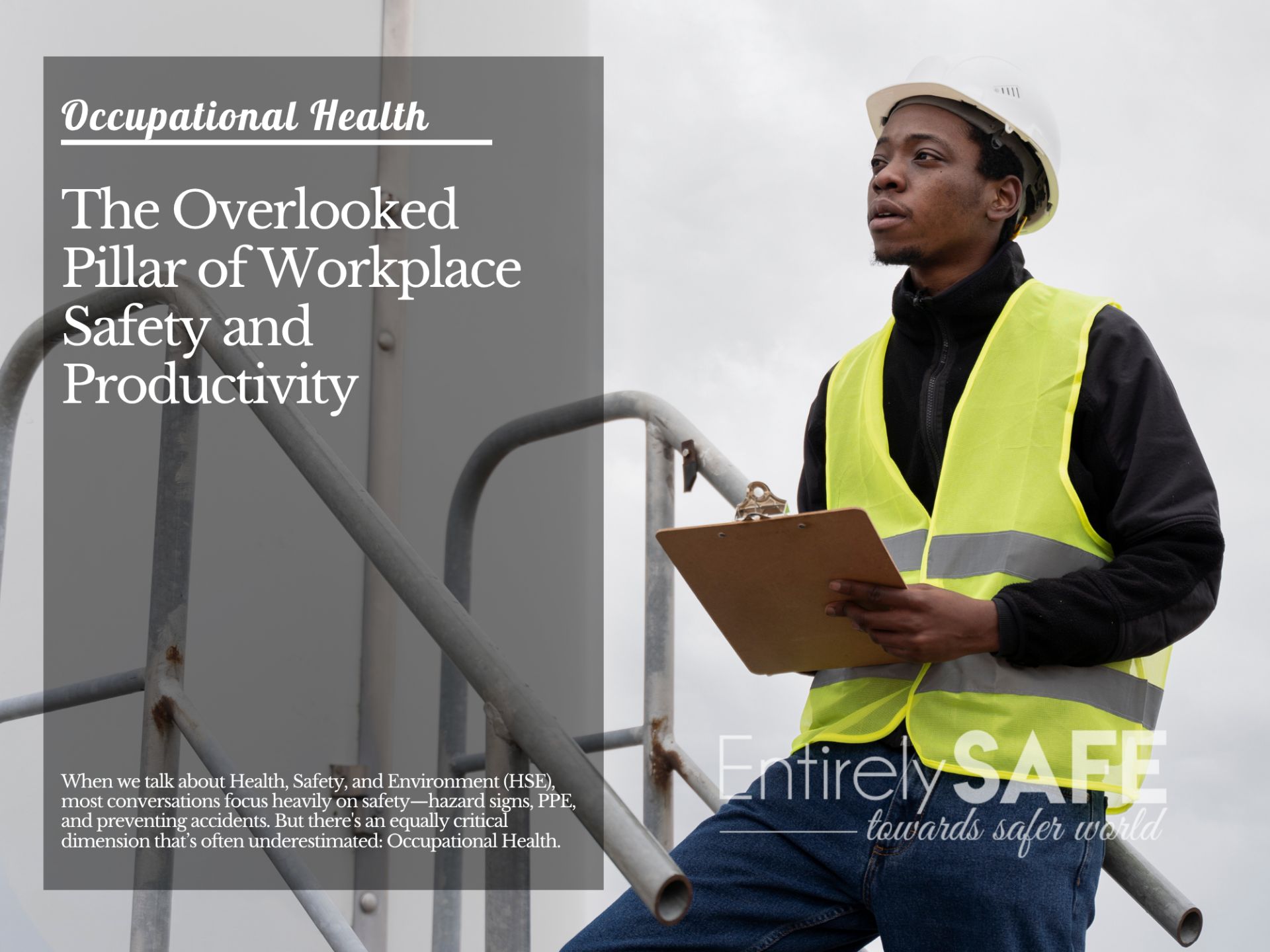
When we talk about Health, Safety, and Environment (HSE), most conversations focus heavily on safety—hazard signs, PPE, and preventing accidents. But there's an equally critical dimension that’s often underestimated: Occupational Health.
From chronic stress and ergonomic injuries to respiratory diseases and noise-induced hearing loss, occupational health hazards are silent productivity killers and long-term threats to worker well-being. In this post, we explore why occupational health deserves equal footing in HSE programs, the most pressing risks across industries, and practical steps organizations can take to protect their workforce.
What is Occupational Health?
Occupational health is the field concerned with identifying, assessing, and managing health risks in the workplace. It goes beyond physical injuries to include:
Long-term exposure to harmful substances (e.g., asbestos, silica, solvents)
Psychological and emotional well-being
Chronic musculoskeletal issues due to poor ergonomics
Biological hazards (e.g., infections, viruses in healthcare settings)
Lifestyle diseases influenced by workplace habits (e.g., obesity, hypertension)
Why Occupational Health is Crucial Across All Industries
Human Capital is Your Greatest Asset:
Healthy workers are more productive, engaged, and resilient. Sick or stressed employees cost organizations billions in lost productivity and healthcare expenses annually.
Regulatory Compliance:
Many countries now require formal occupational health programs under laws like OSHA (USA), ILO guidelines, or EU directives. Non-compliance can lead to legal consequences and reputational damage.
Mental Health is a Rising Crisis:
Depression and anxiety disorders cost the global economy $1 trillion each year in lost productivity (WHO, 2023). Ignoring mental health at work is no longer an option.
Health Issues Are Often Invisible—Until It’s Too Late:
Unlike physical injuries, occupational illnesses develop over time and often go unnoticed until they’re irreversible. Prevention is not just better than cure—it’s the only viable solution.
Key Occupational Health Hazards Across Sectors
Different industries face unique occupational health risks. Here’s a breakdown of some of the most common hazards by sector:
Manufacturing:
Hearing loss due to prolonged noise exposure
Respiratory issues from inhaling dust, fumes, or chemicals
Skin and eye irritation from chemical exposure
Healthcare:
High stress and emotional fatigue from demanding workloads
Needle-stick injuries and exposure to bloodborne pathogens
Risk of contracting infectious diseases (e.g., TB, COVID-19)
IT/Office Work:
Eye strain from prolonged screen time (Computer Vision Syndrome)
Poor posture leading to back, neck, and shoulder problems
Mental burnout due to workload, isolation, or poor work-life balance
Construction:
Silica dust inhalation leading to respiratory diseases
Hand-arm vibration syndrome from power tools
Noise-induced hearing loss from loud equipment
Agriculture:
Exposure to pesticides and fertilizers causing poisoning
Zoonotic diseases from animals or waste
Long-term sun exposure leading to skin damage or cancer
How to Build a Strong Occupational Health Program
Risk Assessment and Surveillance
Identify health risks through medical surveillance, workplace inspections, and exposure monitoring. Prioritize based on frequency, severity, and reversibility.
Wellness and Mental Health Initiatives
Introduce stress management programs, Employee Assistance Programs (EAPs), and open channels for mental health support. Normalize conversations about emotional well-being.
Ergonomics and Workstation Design
Use ergonomic principles to reduce musculoskeletal strain—whether it’s for industrial machinery operators or desk workers. Adjustable chairs, anti-fatigue mats, and screen breaks go a long way.
Health Education and Training
Conduct regular workshops on lifestyle diseases, substance abuse, fatigue management, and early warning signs of health conditions.
Vaccination and Hygiene
Especially in sectors like healthcare and agriculture, offer flu vaccines, sanitation stations, and infection prevention training.
Data-Driven Health Metrics
Use digital tools and health apps to track workforce wellness indicators—absenteeism, stress levels, medical claims—and take proactive measures.
The ROI of Occupational Health
Reduced absenteeism and turnover
Lower insurance and compensation claims
Increased morale, engagement, and trust
Enhanced reputation as an employer of choice
Compliance with ISO 45001 and other global standards
Real-World Example: Tech Company’s Ergonomic Overhaul
A multinational tech firm saw a 70% decrease in back pain complaints and a 20% boost in productivity after investing in ergonomic furniture and mandatory screen breaks. The changes were small but the return—massive.
Conclusion: Health is the Heart of HSE
In today’s fast-paced, performance-driven world, it’s easy to overlook the slow-building, silent threats to employee health. But make no mistake: an unhealthy workplace is an unsafe workplace.
Occupational health isn’t just a department—it’s a mindset. A healthy workforce is not a cost—it’s a competitive advantage.
Comments
Sign in to join the conversation