Articles
The Role of Severity in Risk Assessment: Determining the Potential Consequences of Hazards
In risk assessment, severity refers to the potential impact or consequences of a risk or hazard. Severity is often used to help prioritize identified risks, with higher severity risks being considered
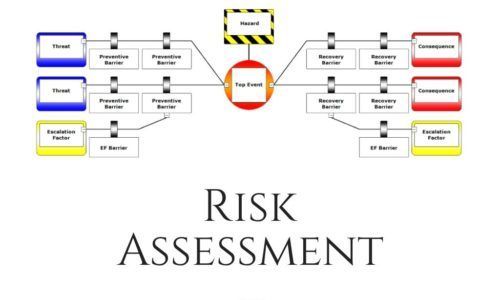
In risk assessment, severity refers to the potential impact or consequences of a risk or hazard. Severity is often used to help prioritize identified risks, with higher severity risks being considered a greater priority for mitigation.
There are various ways to assess the severity of a risk, and the specific method used may depend on the specific context and goals of the risk assessment. Some common methods for assessing risk severity include:
Qualitative analysis: This involves assigning a subjective rating or score to the severity of a risk based on factors such as the potential consequences, likelihood of occurrence, and potential impact on people, property, or the environment.
Quantitative analysis: This involves using data and statistical analysis to objectively assess the severity of a risk. This may involve analyzing data on past incidents or accidents to determine the likelihood of a risk occurring, and estimating the potential consequences of that risk.
Risk matrix: This is a visual representation of the likelihood and severity of a risk, often presented in the form of a matrix. Risks are plotted on the matrix based on their likelihood and severity, and the resulting position on the matrix can help prioritize the identified risks.
Overall, the severity of a risk is an important consideration in risk assessment, as it helps to prioritize identified risks and focus efforts on mitigating the most significant risks.
Comments
Sign in to join the conversation