Articles
Types of Lifting Operations
To assist with the risk assessment process, lifting operations have been divided infour categories, which are:1. Routine2. Simple3. Complicated4. ComplexRoutine LiftLifts that are performed on a regul
To assist with the risk assessment process, lifting operations have been divided in
four categories, which are:
1. Routine
2. Simple
3. Complicated
4. Complex
Routine Lift
Lifts that are performed on a regular basis, which involve basic slinging practices e.g. deck operations, material transfers.
These lift activities by definition are repetitive and as such, the method statements, risk assessments, plans and any supporting procedures should be held on file.
Carried out by competent personnel e.g. deck Crew/ Crane Opr./Riggers.
Suitable environmental conditions.
Load with known and evaluated weight shape and centre of gravity
Standard rigging arrangements.
This category of lifting operations is usually implemented using generic lifting plans and risk assessments, each with clearly established criteria and limitations.
The generic plan is then reviewed at a toolbox talk prior to being implemented by appointed competent personnel.
Simple Lift
Lifts that involve the use of basic hoisting equipment e.g. a crane or manual hoist (suspended from dedicated lifting structures such as pad eyes or runaway beams) directly above the load.
Only one item Lifting Equipment
Carried out by competent personnel e.g. Riggers, Deck Crew and others who have training in hoisting & lifting/rigging skills.
Standard rigging arrangement
Stable, known weight with adequate lifting points.
Out-with sensitive, difficult or restricted area
This category of lifting operations is usually implemented using generic lifting plans and risk assessments, each with clearly established criteria and limitations.
The generic plan is then reviewed at a toolbox talk prior to being implemented by appointed competent personnel
Complicated Lift
Lifting Personnel
Carried out by competent Riggers/ Crane Opr.
Extended duration e.g. more than 1 shift
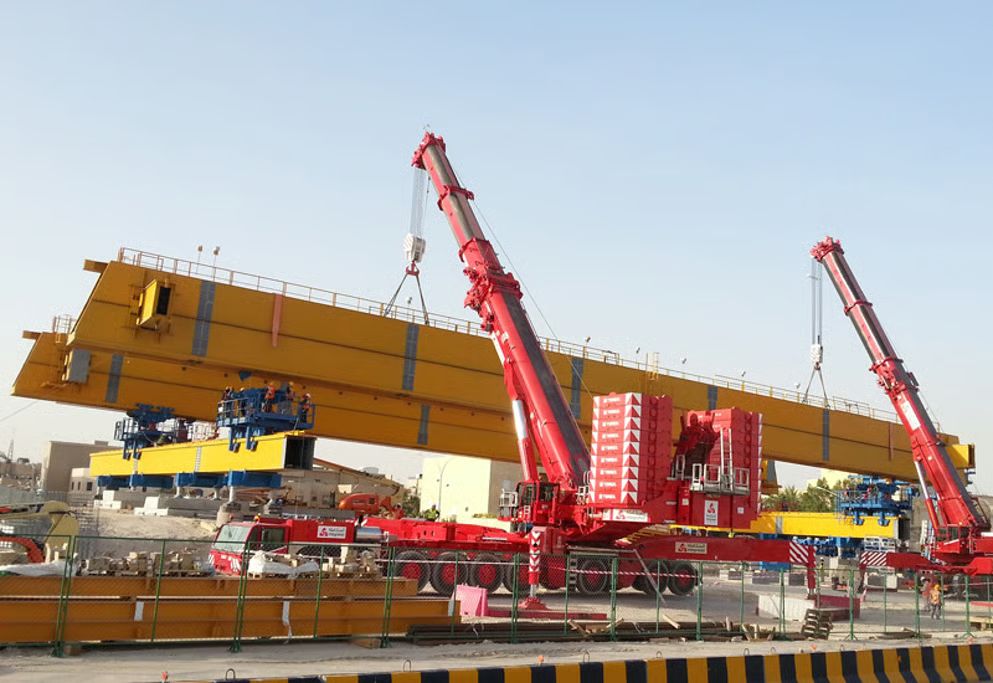
Use of two or more items of lifting equipment (Tandem lifts)
Out-with sensitive, difficult or restricted area
This category of lifting operations require a written method statement in addition to the lifting plan, risk assessment and the approval of COMPANY Site Lifting Coordinator or the COMPANY Lifting Technical Authority (LTA).
The specific plan is then reviewed at a toolbox talk prior to being implemented by appointed competent personnel.
Complex Lift
If a lifting job involves divers or sub-sea work or the plan indicate the selected route for the load to travel is over live plant or a confined space, it will be classed as complex.
Unknown or difficult to estimate centre of gravity
Use of two or more items of lifting equipment (Tandem lifts)
Environmental conditions liable to affect operations
Non-standard rigging or equipment
This category of lift requires a written method statement in addition to the Lifting Plan, risk assessment and the approval of COMPANY Site Lifting Coordinator or the COMPANY Lifting Technical Authority.
Minimum number of people required carrying out the complex or complicated lifts safely shall be risk assessed and established prior to start the lifting operation.
NOTE: Where the lifting activities – routine, simple, complicated or
complex-are likely to be repeated, the assessments, lifting
plans and method statements should be held on file for
subsequent review and re-use.
Comments
Sign in to join the conversation