Articles
Why Smart Warehouses Prioritize Safety Without Slowing Down
Warehouses are less about dusty shelves and forklifts weaving between boxes, and more about finely-tuned choreography. They’re the engine rooms of global commerce, where downtime costs money and carel
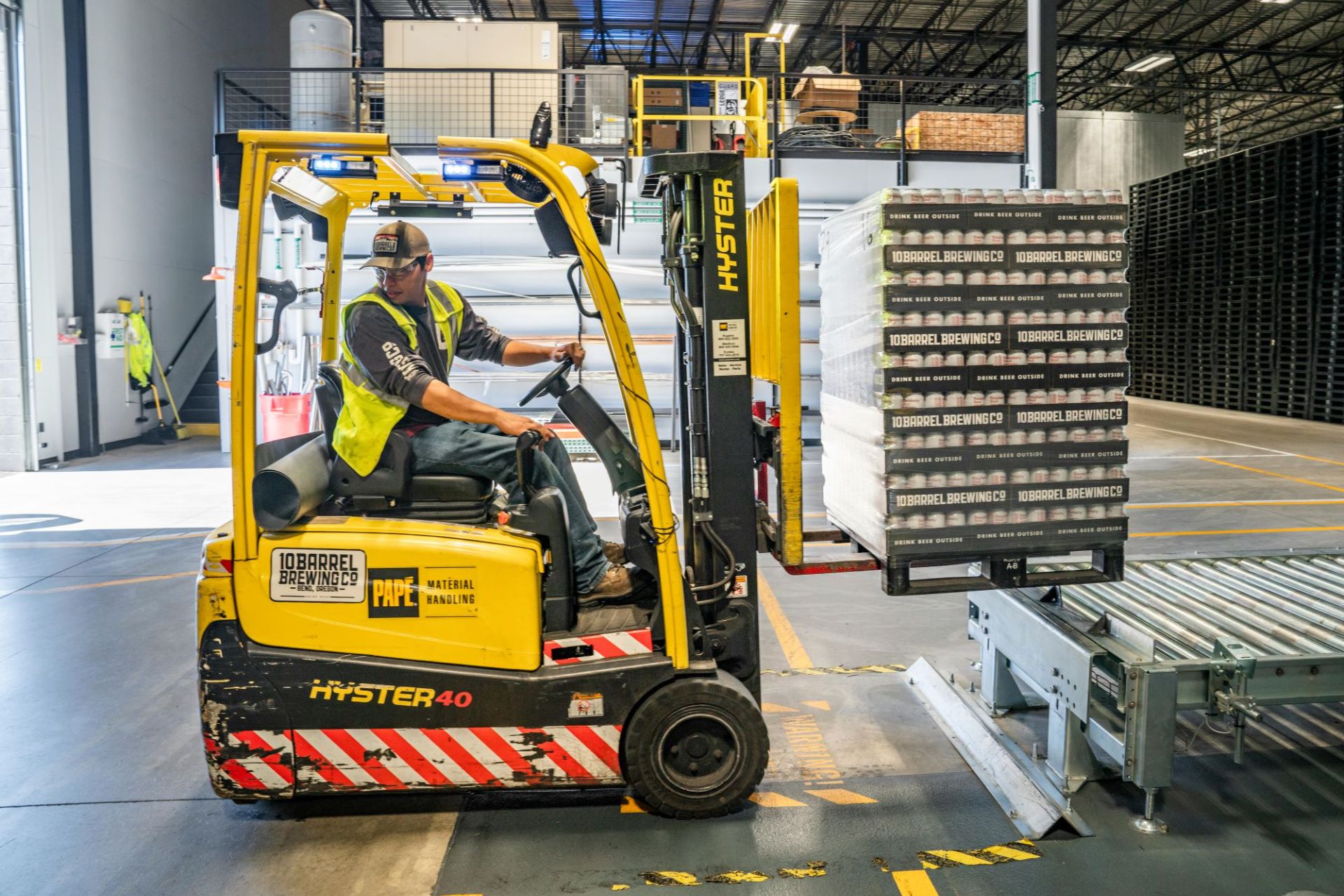
Warehouses are less about dusty shelves and forklifts weaving between boxes, and more about finely-tuned choreography. They’re the engine rooms of global commerce, where downtime costs money and carelessness can carry consequences far beyond a stubbed toe. To operate one effectively demands more than just headcounts and schedules; it takes culture, systems, and trust. Efficiency and safety in these spaces are not competing priorities — they are codependent, built into the bones of the workflow or not at all.
Prioritize Flow Over Hustle
Speed in a warehouse isn't about rushing; it’s about reducing friction. Warehouses that function best often resemble well-rehearsed stage crews—everyone knows their cue, and nothing is improvised. Managers who design processes with flow in mind avoid bottlenecks and reduce physical strain on workers, while employees who understand their part can deliver pace without panic. This flow hinges on layout, labeling, and logic—tools placed exactly where they’re needed, with walking distances trimmed wherever possible.
Build Muscle Memory Through Consistency
Consistency is underrated until a routine saves a shipment. When tasks—from unloading freight to scanning inventory—are performed the same way every time, the risks of human error drop fast. Managers should double down on training that reinforces these patterns, not just during onboarding but in regular refreshers that stick. For employees, this steadiness creates confidence and lowers the cognitive load, especially in high-volume stretches when stress creeps in.
Keep Safety Fresh by Making It Familiar
Training isn’t just a box to check—it’s the first line of defense in a space full of moving parts and heavy loads. Employees need more than a rundown on day one; they need hands-on instruction, clear examples, and time to absorb the why behind each rule. Reinforcing safety protocols should be a year-round effort, not a once-and-done workshop. Planning consistent safety training throughout the year helps keep essential practices top of mind and signals that safe behavior is always part of the job.
Get Comfortable With Visibility
Transparency is what keeps small mistakes from becoming expensive ones. Leaders need to know what’s happening on the floor, but more importantly, workers should be able to see how their efforts connect to the bigger picture. Whether it’s real-time dashboards showing fulfillment rates or open communication about safety targets, visibility fosters buy-in. Warehouses that value visibility also tend to spot danger earlier—slip hazards, missed scans, or mislabeled pallets don’t hide for long when the culture says it’s okay to speak up.
Turn Equipment into Allies, Not Accidents
Machines don't make mistakes—but they magnify human ones. Whether it’s forklifts, conveyor belts, or handheld scanners, every piece of gear in a warehouse should have a purpose and a protocol. Maintenance schedules need to be enforced, and any sign of malfunction should stop operations, not be shrugged off. Employees should be trained to use these tools with precision, not improvisation, and to respect their limits just as much as their power.
Think Like a Gardener, Not a Warden
It’s tempting to run a warehouse like a tight ship—but tight doesn’t mean tense. The best managers cultivate rather than control, treating employee feedback as soil to till rather than noise to mute. Safety issues aren’t always dramatic events; they can be the slow erosion of morale, or the hesitation to report near-misses. Workers who feel heard and trusted are far more likely to flag problems early, help refine systems, and stick around when things get tough.
Conclusion
The sharpest warehouse operations don’t choose between getting more done and keeping people whole—they understand these goals are twins, not opposites. Warehouses run on rhythm, and when each part plays its role safely and smoothly, the whole system sings. Efficient doesn’t mean rushed, just as safe doesn’t mean slow. It means knowing the work well enough to do it without second-guessing, and caring enough to protect the people doing it. A warehouse built on that kind of thinking won’t just meet demand—it’ll last.
At EntirelySAFE, we believe efficiency and safety grow best together—just like in the warehouses described above. Explore tools, insights, and solutions built for teams who care about getting it right.
Comments
Sign in to join the conversation