minor · other
Catastrophic Sulfuric Acid Leak at BWC Terminals
Dec 25, 2025
0
fatalities
0
injured
Sequence of events
Initial Details
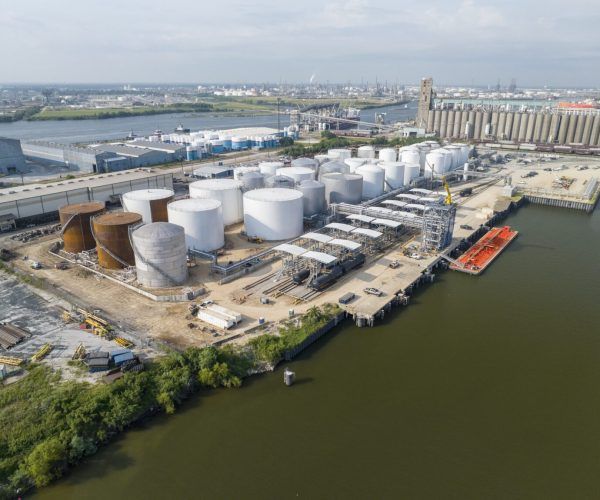
On December 27, 2025, at approximately 1:40 a.m., a significant chemical release occurred at the BWC Terminals facility near Channelview, Texas. The incident involved a 25,000-barrel storage tank containing roughly one million gallons of sulfuric acid. While initial reports indicated that the entire volume had spilled into the Houston Ship Channel, subsequent updates clarified that the majority of the chemical was captured by the facility's designated containment area. However, an undetermined amount of acid did enter the waterway. Emergency crews stopped the leak by 6:00 a.m., and although no shelter-in-place order was required for the public, two individuals were hospitalized with respiratory issues and over 40 others from nearby vessels were medically evaluated on-site.
Known Causes
The immediate cause of the release has been identified as a structural failure involving auxiliary equipment. Authorities and facility operators determined that a catwalk collapsed directly onto a 6-inch sulfuric acid supply line. The impact from the falling infrastructure ruptured the pipe, triggering the rapid discharge of the tank's contents. The leak was not the result of an explosion or a direct failure of the tank itself, but rather a consequence of this external mechanical impact.
Potential Causes
While the specific reason for the catwalk's failure remains under investigation, incidents of this nature often stem from compromised structural integrity. In chemical storage environments, potential factors usually include accelerated corrosion of metal supports due to exposure to acid vapors or weathering. Mechanical fatigue or inadequate preventative maintenance of non-process infrastructure, such as walkways and pipe racks, can also lead to sudden structural collapse. The failure to identify weakened support members during routine inspections is a common underlying issue in similar events.
Advice for Future
HSE professionals must ensure that asset integrity programs extend beyond primary containment vessels to include all surrounding infrastructure. It is critical to conduct regular, rigorous inspections of catwalks, platforms, and pipe racks, particularly those positioned above hazardous material lines. Implementing impact protection or physical shielding for critical piping can prevent cascading failures in the event of a structural collapse. Additionally, facilities should verify that secondary containment systems are properly maintained and sized to handle the full capacity of the largest tank to mitigate environmental damage during catastrophic failures.
Conclusion
This incident serves as a stark reminder of the domino effect that structural failures can have on hazardous process safety. While the facility's containment systems prevented a total environmental disaster, the collapse of the catwalk highlights a critical vulnerability in infrastructure management. Strengthening the inspection and maintenance of all facility assets is essential to preventing future releases and ensuring the safety of personnel and the surrounding ecosystem.
Speak up before the next one
EntirelySafe gives workers a place to raise safety concerns, and gives safety leaders a way to see the patterns those concerns form — before they become an incident like this one.
Comments
Sign in to join the conversation