minor · other
Chemical Plant Explosion at Houston Facility
Jan 4, 2026
0
fatalities
0
injured
Sequence of events
Incident overview
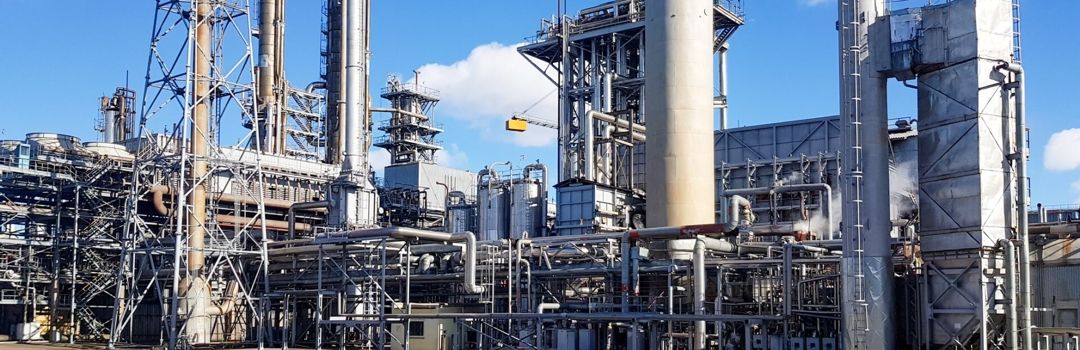
On 5 January 2026, a case was filed in Harris County, Texas, on behalf of a Houston plant worker who suffered severe chemical burns and permanent vision loss following a pipe explosion at a Lyondell chemical facility. The worker, a father of three, was allegedly exposed to hazardous chemicals when a pressurized pipe exploded and sprayed chemicals directly into his eyes while he was performing assigned work on the equipment.
Date of case announcement: 5 January 2026
Date of incident: Not specified; occurred prior to filing in Harris County, Texas
Location (site): Lyondell plant, Houston, Texas, USA
Country: United States
Company named: lyondell refinery (plant operator); case filed by Arnold & Itkin LLP
Regulator/authority: Civil case filed in Harris County, Texas (court jurisdiction referenced, not a safety regulator)
Injury profile: Severe chemical burns to both eyes and permanent vision loss in the left eye
Incident details
The worker was carrying out duties on a pipe system at a Lyondell plant in Houston when the pipe exploded, releasing chemicals that struck him directly in the face and eyes. The release resulted in severe chemical burns to both eyes and permanent loss of vision in his left eye, creating life‑changing impairment that will affect him for the rest of his life.
According to the law firm’s report, the pipe still contained hazardous chemicals at the time of the work. The allegation is that the company failed to clear the pipe of chemicals before directing the worker to proceed, exposing him to a known hazard and leading to the explosion and subsequent chemical exposure.
Containment and control measures
Immediate response: Following the pipe explosion and chemical spray, the worker required urgent medical attention for severe ocular chemical burns and vision-threatening injuries.
Site control (implied): Standard industrial practice would require isolating the affected system, stopping the release, and initiating emergency response protocols for chemical incidents, including eyewash and shower use, though these specific steps are not detailed in the report.
Legal intervention: Arnold & Itkin LLP catastrophic injury attorneys filed a civil case in Harris County to seek accountability and compensation, framing the event as preventable had basic safety measures been implemented.
Status and monitoring
The matter is currently at the litigation stage, with the case filed against Lyondell in Harris County, Texas. The law firm states that it is pursuing justice and long‑term compensation for the worker as he faces a lifetime of vision impairment and associated personal and economic impacts.
Ongoing monitoring will occur within the legal process, including evidence gathering on plant procedures, hazard controls, and the decision‑making that allowed work on a chemical‑containing pipe to proceed. The case outcome may influence how similar facilities manage line decontamination, lockout and isolation, and pre‑work verification before exposure-prone tasks.
Compliance and safety
The firm’s description points to multiple alleged safety and compliance failures at the plant:
Failure to clear hazardous contents: The pipe was not cleared of chemicals before work began, despite this being described as a basic safety measure that should have been standard procedure.
Known hazard exposure: The worker was allegedly sent to work on equipment that posed a known hazard, indicating inadequate hazard identification and risk control prior to task execution.
Profit over safety concern (alleged): The firm asserts that the incident reflects a broader pattern where companies prioritize production and profit over worker safety, leading to preventable, life-altering injuries.
These factors underscore weaknesses in chemical isolation, permit-to-work rigor, and pre‑job verification for hazardous maintenance tasks at the plant.
Speak up before the next one
EntirelySafe gives workers a place to raise safety concerns, and gives safety leaders a way to see the patterns those concerns form — before they become an incident like this one.
Comments
Sign in to join the conversation