minor · other
Early‑Morning Construction‑Zone Collision Involving Work Truck in Etobicoke – Two Drivers Injured
May 11, 2026
0
fatalities
0
injured
Sequence of events
Basic Incident Information
Date of incident: Tuesday, 12 May 2026
Time of incident: Around 3:19 a.m.
Location: Construction area near Dixon Road and Islington Avenue, Etobicoke, Toronto, Ontario, Canada
Incident type: Two‑vehicle road traffic collision classified as industrial accident due to involvement of work‑site truck
Incident Description
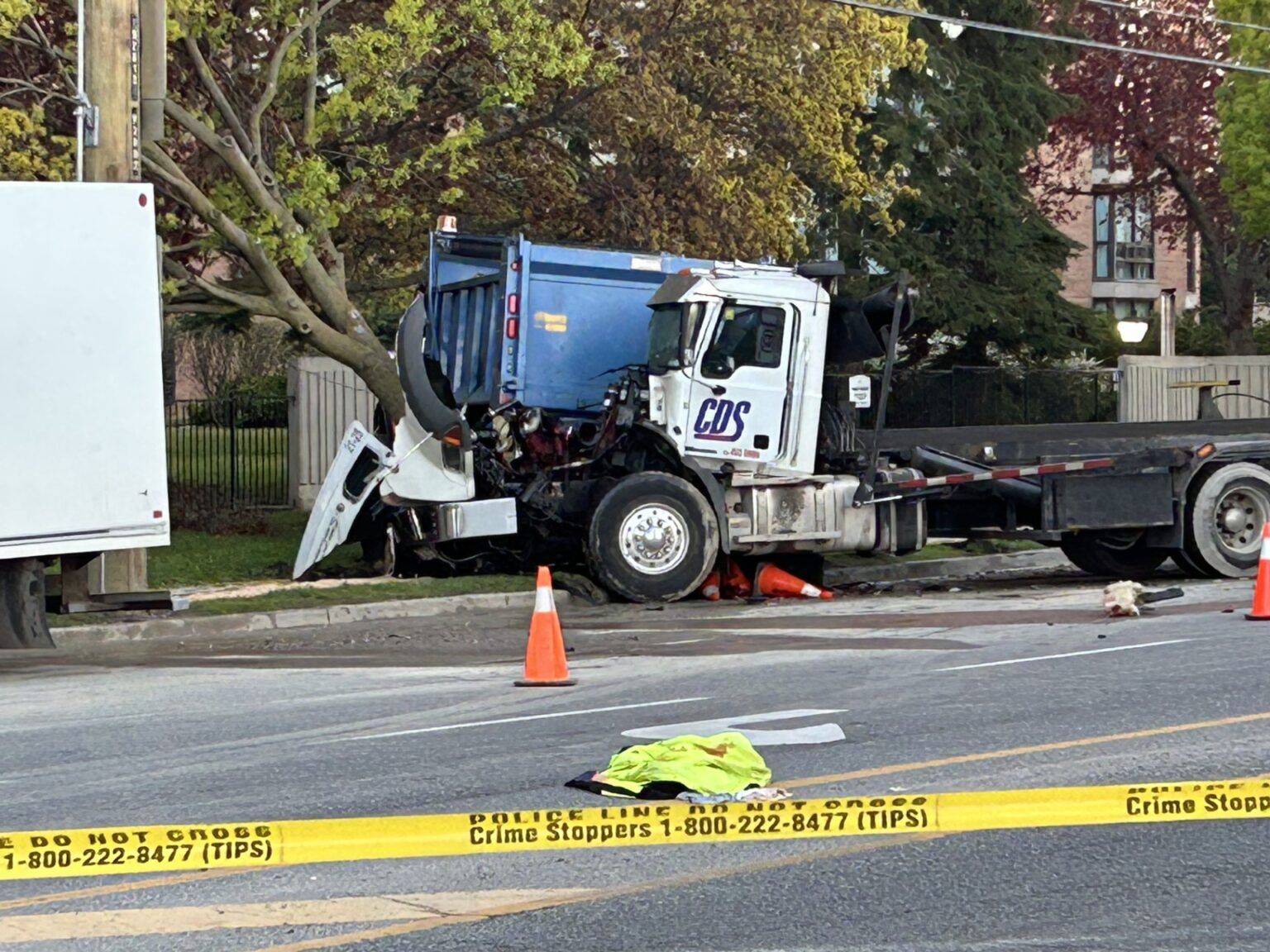
Toronto police responded at about 3:19 a.m. to reports of a collision in a construction area near Dixon Road and Islington Avenue. The crash involved two vehicles, one of which was a truck connected to an active work site in the construction zone. Debris from the impact was scattered across the roadway.
Because one of the vehicles was part of the active work site, the incident has been classified as an industrial accident rather than a routine traffic collision. The specific tasks underway at the work site and the exact mechanism of the collision (e.g., lane layout, traffic control measures, or vehicle movements) have not been detailed at this stage.
Injuries and Medical Response
A man in his 40s was transported to hospital with non‑life‑threatening injuries, according to police.
The second driver was also taken to hospital with minor injuries.
No other injuries were reported.
Investigation and Traffic Impact
The investigation has been turned over to Ontario’s Ministry of Labour, which will determine what led to the crash and assess any workplace‑safety issues in the construction zone.
Police stated that there is no information yet on any potential charges arising from the incident.
The collision caused transit disruption: TTC route 37 Islington buses were detoured via The Westway, Kipling Avenue and St. Andrew Street while the scene remained active.
Preliminary Safety Focus
While the article does not provide technical details on work‑zone layout or controls, you can frame high‑level learnings around construction‑zone traffic safety:
Ensure clear, well‑lit, and compliant traffic control setups (signage, cones, barriers, flaggers) for night or early‑morning work to separate public traffic from work‑site vehicles.
Develop and enforce procedures for safe entry/exit and movement of work trucks within and across live traffic lanes in road‑construction zones.
Coordinate closely with municipal authorities and transit agencies so detours and lane closures are managed in a way that minimises collision risk.
Speak up before the next one
EntirelySafe gives workers a place to raise safety concerns, and gives safety leaders a way to see the patterns those concerns form — before they become an incident like this one.
Comments
Sign in to join the conversation