minor · other
Explosion and Fire at IOL Chemical Factory, Barnala – No Casualties Reported
Jun 9, 2026
0
fatalities
0
injured
Sequence of events
Basic Incident Information
Date of incident: Tuesday night, 10 June 2026.
Location: Fatehgarh Chhanna village, Barnala district, Punjab, India.
Facility: IOL Chemical Factory, Unit No. 9.
Incident type: Chemical tank explosion followed by fire.
Incident Description
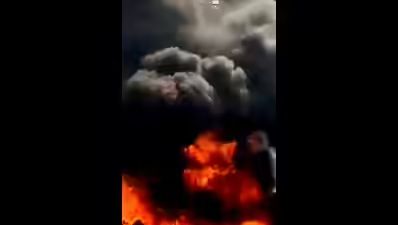
According to the report, three workers were on duty in Unit No. 9 when the temperature inside a large chemical tank used to produce a medicine called “Monexy” rose to dangerous levels. The workers noticed the risk, evacuated the unit, and moments later the tank exploded with significant force, causing a major fire and scattering debris across the area.
Factory officials said the workers’ quick response likely prevented loss of life, and the site’s safety mechanisms helped limit the damage. The district administration said the situation was brought under control and an investigation is underway to determine the technical cause of the explosion.
Casualties and Response
Casualties: No casualties reported.
Occupants: Three workers escaped safely before the blast.
Response: The fire was brought under control and officials have begun an investigation.
Safety Focus
This incident highlights the importance of temperature monitoring, process alarms, and rapid evacuation in chemical manufacturing. It also shows how early warning and worker vigilance can prevent a serious accident from becoming a fatal one.
Speak up before the next one
EntirelySafe gives workers a place to raise safety concerns, and gives safety leaders a way to see the patterns those concerns form — before they become an incident like this one.
Comments
Sign in to join the conversation