minor · other
Explosion and Fire at Pemex Ingeniero Antonio Dovalí Jaime Refinery, Salina Cruz – Six Workers Injured
May 10, 2026
0
fatalities
0
injured
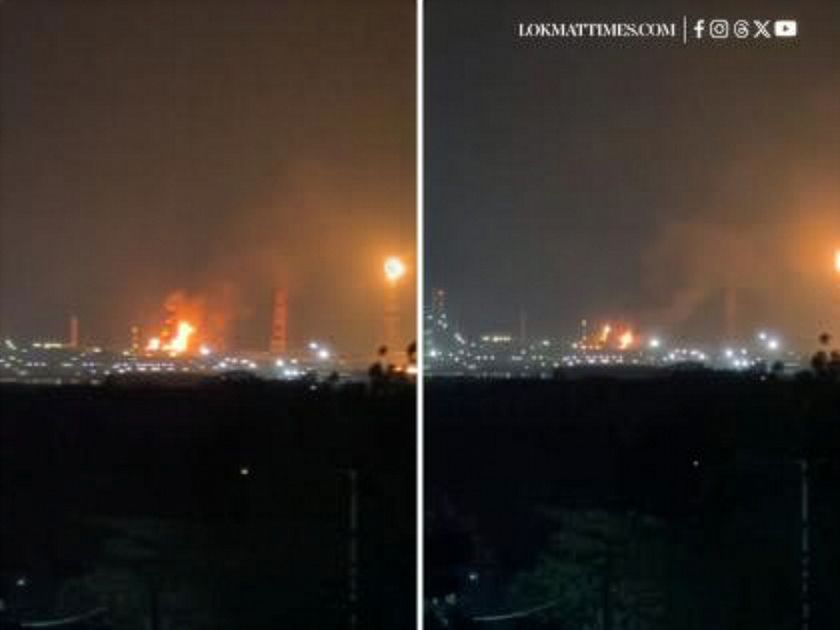
Sequence of events
Basic Incident Information
Date of incident: Monday night, 11 May 2026
Time of incident: Approximately 8:30 p.m. local time
Location: Cooling tower of the Hydros II plant, Ingeniero Antonio Dovalí Jaime (Pemex) refinery, Salina Cruz, Oaxaca, Mexico
Incident type: Explosion followed by fire in refinery process‑support equipment (cooling tower)
Incident Description
Authorities reported that a strong explosion occurred at about 8:30 p.m. in the cooling tower area of the Hydros II unit within the Pemex refinery at Salina Cruz. The explosion triggered a fire that produced visible flames and thick smoke from the refinery, startling nearby residents; videos shared on social media show flames erupting and dark smoke rising into the night sky.
Refinery fire crews responded immediately after the blast and were able to bring the fire under control within roughly 20 minutes. Officials emphasised that, based on available information, the incident did not pose an immediate threat to surrounding residential communities.
Casualties
Total injured: 6 people.
3 Pemex employees (two women and one man) suffered burn injuries.
3 workers from a private contractor company were also injured.
No fatalities were reported in the initial update.
Emergency Response and Government Actions
Refinery firefighters and emergency crews quickly attacked the fire and achieved control within about 20 minutes of the explosion.
The Oaxaca state government, led by Governor Salomón Jara, deployed Civil Protection and Risk Management teams to:
Inspect nearby homes for potential structural damage.
Provide safety guidance and reassurance to residents.
Support any required emergency assistance.
Medical personnel and additional emergency responders were mobilised to treat the injured and stand by for any community‑level impacts.
Preliminary Learnings and Safety Focus
Root cause details have not yet been released, but the available information supports several high‑level process‑safety and emergency‑management points for refinery operations:
Cooling‑tower and auxiliary‑systems safety: Even “support” equipment such as cooling towers can present significant fire and explosion risk when associated with flammable hydrocarbons or vapours; they require robust inspection, leak detection, ignition‑source control, and maintenance regimes.
On‑site emergency capability: The rapid control of the fire within about 20 minutes underscores the value of well‑trained refinery fire brigades, pre‑incident planning, and accessible firewater and foam resources.
Community interface: Immediate engagement of Civil Protection to inspect homes, communicate with residents, and verify the absence of wider structural or environmental impacts is essential where large visible fires occur near populated areas.
Contractor and employee safety: The involvement of both Pemex staff and contractor personnel highlights the need for integrated safety management systems, training, and emergency drills that cover everyone working on site, not just direct employees.
Status
Injuries: 6 (three Pemex employees and three contractor workers) with burn injuries; no deaths reported at the time of the article.
Fire condition: Fire brought under control by refinery firefighters within approximately 20 minutes of the explosion.
Community impact: Authorities reported no immediate threat to nearby residential areas; inspections and monitoring were conducted as a precaution.
Investigation: No technical cause has yet been disclosed; further investigation by Pemex and relevant authorities is expected.
Speak up before the next one
EntirelySafe gives workers a place to raise safety concerns, and gives safety leaders a way to see the patterns those concerns form — before they become an incident like this one.
Comments
Sign in to join the conversation