minor · other
Explosion at Aspen Aerogels Plant in East Providence Injures Eleven Workers
Apr 7, 2026
0
fatalities
0
injured
Sequence of events
Basic Incident Information
Date of incident: Wednesday, April 8, 2026
Time of incident: Just after 8:00 p.m. (local time)
Location: Aspen Aerogels manufacturing plant, East Providence, Rhode Island, USA
Industry: Synthetic chemical manufacturing (insulation materials for electric vehicles)
Incident type: Explosion inside manufacturing plant, associated with an oven‑like machine
Incident Description
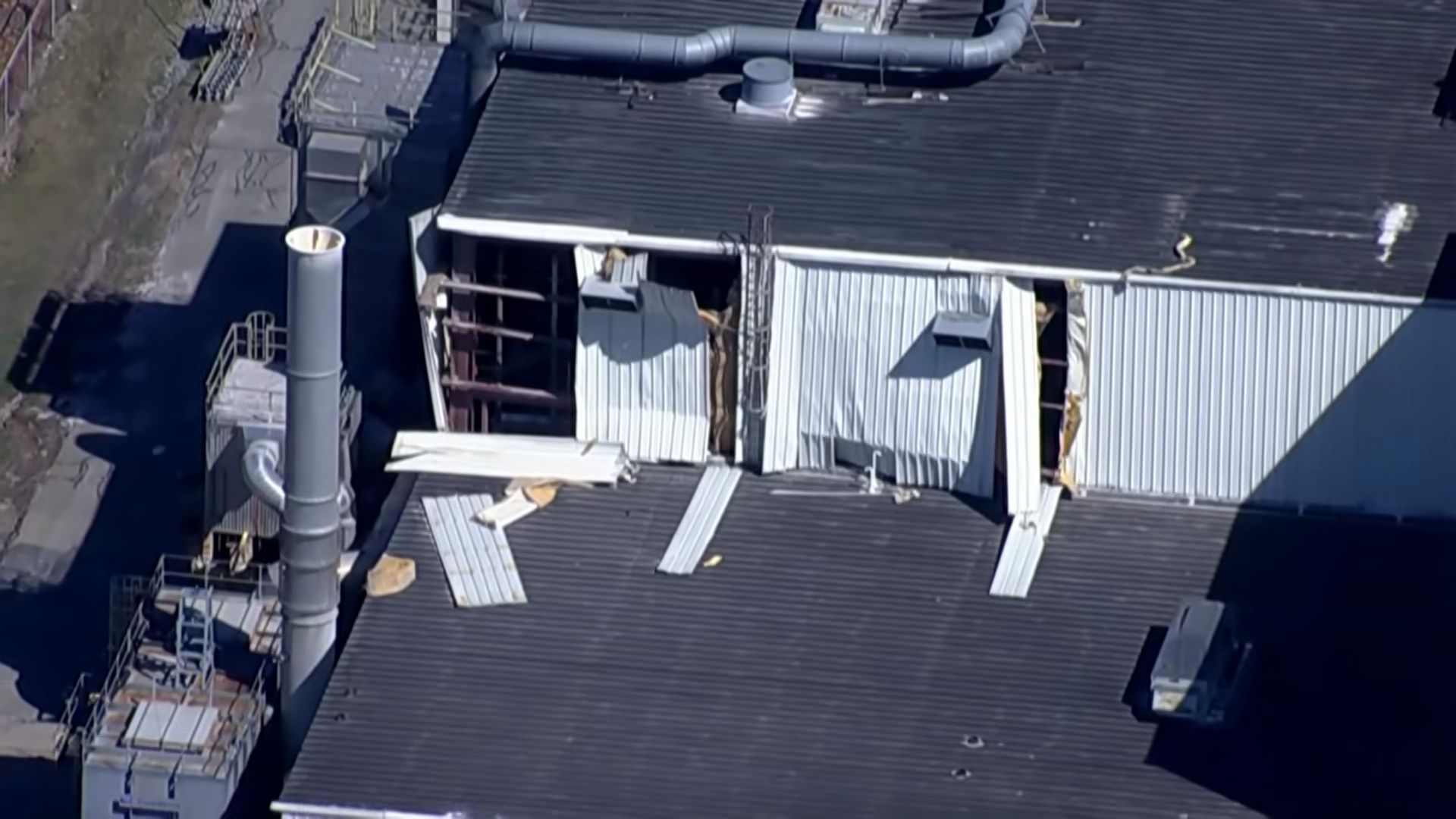
An explosion occurred inside the Aspen Aerogels plant shortly after 8 p.m., sending metal debris throughout the facility and producing a blast that nearby residents described as earthquake‑like, shaking houses and sounding like something hitting the building. City officials said the blast appears to have originated from an oven‑like machine inside the plant, though the exact cause remains under investigation.
Despite the force of the explosion and the extent of internal damage, no one was killed. East Providence’s mayor noted that “one is left in wonder that nobody died,” given that employees were in the building at the time.
Casualties and Medical Status
Injuries: 11 Aspen Aerogels employees injured.
All 11 were released from the hospital by 3 a.m. Thursday, and the fire chief stated there was “no serious impact” to them, calling the outcome “a miracle.”
No fatalities reported.
Emergency Response and Regulatory Action
East Providence Fire Department responded, extinguished the resulting fire, and secured the scene.
Operations at the plant have been paused while investigations proceed.
OSHA has opened an investigation into the incident, a process that could take up to six months.
Public records cited in the report indicate Aspen Aerogels has previously been cited by OSHA and the Rhode Island Department of Environmental Management.
Preliminary Learnings and Safety Focus
While detailed technical causes are not yet available, this event underscores several key process‑safety points for plants using high‑temperature processing equipment:
High‑energy equipment such as ovens and thermal process units require rigorous design, inspection, and preventive maintenance to prevent explosions from overheating, pressure buildup, or flammable material ignition.
Effective housekeeping and control of combustible particulates and vapours are critical in synthetic chemical and insulation manufacturing, where neighbors have already reported particulate issues.
Robust emergency planning, including rapid evacuation, fire response, and medical coordination, can significantly reduce harm even when a major blast occurs.
Prior regulatory findings (OSHA and environmental citations) should feed into continuous improvement and management‑of‑change processes so that known weaknesses are addressed before they contribute to serious incidents.
Speak up before the next one
EntirelySafe gives workers a place to raise safety concerns, and gives safety leaders a way to see the patterns those concerns form — before they become an incident like this one.
Comments
Sign in to join the conversation