minor · other
Explosion at East Baltimore Coca‑Cola Bottling Plant Injures Four
Mar 7, 2026
0
fatalities
0
injured
Sequence of events
Basic Incident Information
Date of incident: Sunday, March 8, 2026
Time of incident: Around 10:30 a.m. (local time)
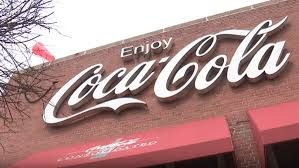
Location: Coca‑Cola Bottling Consolidated Company facility, North Kresson Street, East Baltimore, Maryland, USA
Type of incident: Explosion inside carbon dioxide handling equipment
Incident Description
Firefighters responded to a reported explosion at the Coca‑Cola bottling facility on North Kresson Street at about 10:30 a.m. on Sunday. The blast occurred within equipment used to handle carbon dioxide, which is commonly used in beverage production. The incident did not escalate into a large structural fire, but it was significant enough to injure multiple workers and trigger an emergency response.
According to fire officials, the explosion was confined to the equipment, and there was no indication of a broader atmospheric CO₂ release threatening the surrounding community. The exact technical cause of the equipment failure remains under investigation by Baltimore City fire officials.
Casualties
Total injured: 4 workers.
One worker sustained critical injuries and was transported to a local hospital.
One worker sustained serious but non–life‑threatening injuries and was also transported to hospital.
Two additional workers were treated at the scene and released.
No fatalities reported at the time of publication.
Emergency Response and Investigation
Baltimore City Fire Department responded, provided on‑scene medical care, and transported two victims to hospital.
Two other injured persons received treatment at the scene without the need for hospitalisation.
Fire officials confirmed the incident involved carbon dioxide equipment at the plant and initiated an investigation into the cause of the explosion.
The incident remains under investigation; no further technical details had been released at the time of the report.
Preliminary Learnings and Safety Focus
Although root causes are still under investigation, this incident highlights several key control areas for facilities using compressed or liquefied carbon dioxide in process equipment:
Ensure rigorous inspection, testing, and preventive maintenance of pressure‑containing equipment (vessels, piping, valves, and associated CO₂ systems) to prevent mechanical failure leading to explosions.
Implement and periodically review process safety management measures, including pressure relief protection, over‑pressure safeguards, and adequate isolation procedures when maintaining or modifying CO₂ systems.
Provide specific training for workers and maintenance personnel on the hazards of compressed gases such as carbon dioxide, including over‑pressure, rapid phase change, and potential for stored‑energy releases.
Maintain clear emergency procedures and coordination with local fire services so that incidents involving process gas systems can be quickly contained and investigated, protecting both workers and the surrounding community.
Status
Injuries: 4 workers injured (1 critical, 1 serious but stable, 2 minor).
Fatalities: None reported as of the latest update.
Investigation: Ongoing by Baltimore City fire officials to determine the exact cause of the explosion in the CO₂ equipment.
Speak up before the next one
EntirelySafe gives workers a place to raise safety concerns, and gives safety leaders a way to see the patterns those concerns form — before they become an incident like this one.
Comments
Sign in to join the conversation