minor · other
Fatal explosion at illegal mining operation in Meghalaya
Feb 4, 2026
0
fatalities
0
injured
Sequence of events
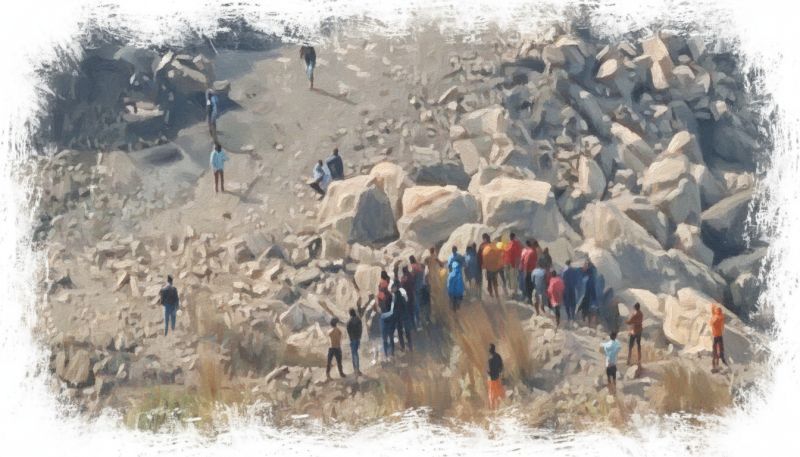
An explosion occurred at approximately 1100 local time on Thursday in the East Jaintia Hills of Meghalaya, India. The incident took place within a forested area situated 72 kilometers from the state capital, Shillong.
Authorities have confirmed that at least 18 miners lost their lives in the blast, with one individual surviving but suffering from severe burn injuries. The site of the accident was an illegal coal mining operation utilizing the rat hole method, which persists in the region despite a standing legal ban. Rescue operations remain active as officials work to determine if more workers are trapped beneath the surface.
Known Causes
The immediate cause of the fatalities was an underground explosion triggered by the use of dynamite. Local police officials confirmed that the blast occurred while miners were engaged in rat hole mining, a process where narrow tunnels are excavated to reach coal seams. The use of explosives in such confined, unregulated spaces is the primary factor behind the high casualty count. This specific site was being operated in direct violation of the 2014 ban imposed by the National Green Tribunal and upheld by the Supreme Court of India.
Potential Causes
Beyond the immediate detonation of explosives, several systemic factors likely contributed to the severity of this event. The structural instability inherent in tunnels only four to five feet high significantly increases the risk of collapse or entrapment following a blast. A lack of proper ventilation in these rudimentary shafts often leads to the accumulation of combustible gases or coal dust, which can amplify the force of an intentional explosion.
Furthermore, the absence of regulatory oversight and basic safety equipment, common in illegal operations, meant there were no mitigation measures in place to protect the workforce from the predictable risks of high-explosive use in subterranean environments.
Advice for Future
HSE professionals must advocate for the absolute elimination of unregulated mining techniques like rat hole extraction, which bypass all fundamental engineering and safety standards. In any legitimate mining environment, the use of explosives must be strictly controlled by certified shot-firers and accompanied by rigorous gas monitoring and structural reinforcement. This incident highlights the necessity of robust perimeter security and land management to prevent unauthorized access to hazardous mineral deposits.
For regions where poverty drives illegal labor, safety professionals should support community engagement and the formalization of mining sectors to ensure that even small-scale extraction meets minimum safety requirements for ventilation and structural integrity.
Conclusion
The explosion in the East Jaintia Hills serves as a tragic reminder of the dangers associated with unregulated and illegal industrial practices. With 18 confirmed dead and investigations ongoing to hold operators accountable, the event underscores a critical failure in safety enforcement.
The reliance on hazardous methods like rat hole mining continues to claim lives, demanding more stringent oversight and the implementation of modern safety protocols across the mining industry to prevent further loss of life.
Speak up before the next one
EntirelySafe gives workers a place to raise safety concerns, and gives safety leaders a way to see the patterns those concerns form — before they become an incident like this one.
Comments
Sign in to join the conversation