minor · other
Fatal Explosion at Shanxi Biotechnology Workshop
Feb 6, 2026
0
fatalities
0
injured
Sequence of events
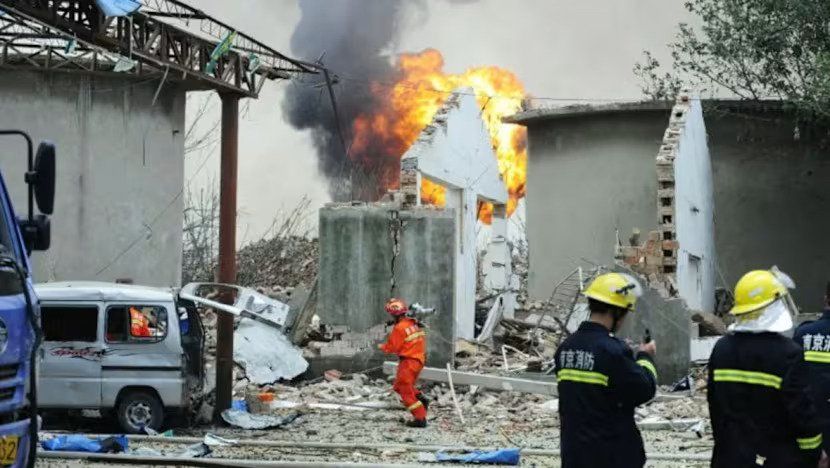
A devastating explosion occurred early in the morning on Saturday, February 7, 2026, at a workshop belonging to Jiapeng Biotechnology Company. The facility is located in Shanyin County, Shuozhou City, in northern China's Shanxi Province. While initial reports indicated five fatalities, rescue operations revealed a higher toll. By the morning of Sunday, February 8, authorities confirmed that eight individuals had lost their lives in the incident. The site, situated in a mountainous area formerly used for mining, continued to emit dark yellow smoke well after the initial blast, complicating immediate clean-up efforts.
Known Causes
As of the latest reports, the specific technical cause of the explosion remains under investigation and has not been publicly disclosed. An official investigation team has been established to determine the sequence of events leading to the failure. Authorities have moved quickly to detain the legal representative of Jiapeng Biotechnology, placing them under control while inquiries proceed. The facility itself is relatively new, having been founded in June 2025, less than a year prior to the incident.
Potential Causes
In the absence of an official accident report, industry professionals can look to the operational profile of the facility for potential risk factors. Jiapeng Biotechnology is reported to engage in the production of bio-feed products, coal-related materials, building materials, and paint manufacturing. The presence of coal-related materials suggests a significant risk of combustible dust explosions, which can be triggered by static electricity or equipment overheating. Additionally, paint manufacturing often involves volatile organic solvents that create flammable atmospheres. If the facility utilized fermentation processes for bio-feed, over-pressurization of vessels or leaks of hazardous byproducts could also be contributing factors, particularly in a facility that has been operational for less than a year.
Advice for Future
This incident highlights the critical importance of rigorous Pre-Startup Safety Reviews (PSSR) and Process Hazard Analysis (PHA), especially for facilities that handle diverse product lines ranging from biological materials to chemical solvents. HSE professionals must ensure that zoning for hazardous areas is strictly enforced, separating ignition sources from areas with combustible dusts or flammable vapors. For new facilities, it is vital to verify that all safety instrumented systems are fully functional and that operators are extensively trained before full-scale production begins. Regular auditing of safety management systems is essential to identify gaps that often emerge during the transition from commissioning to daily operations.
Conclusion
With eight lives lost and legal actions already underway against company leadership, the focus must now shift to the thorough investigation of the root causes. For the wider safety community, this event reinforces the need for unyielding adherence to safety standards, particularly during the early operational stages of new industrial plants.
Speak up before the next one
EntirelySafe gives workers a place to raise safety concerns, and gives safety leaders a way to see the patterns those concerns form — before they become an incident like this one.
Comments
Sign in to join the conversation