minor · other
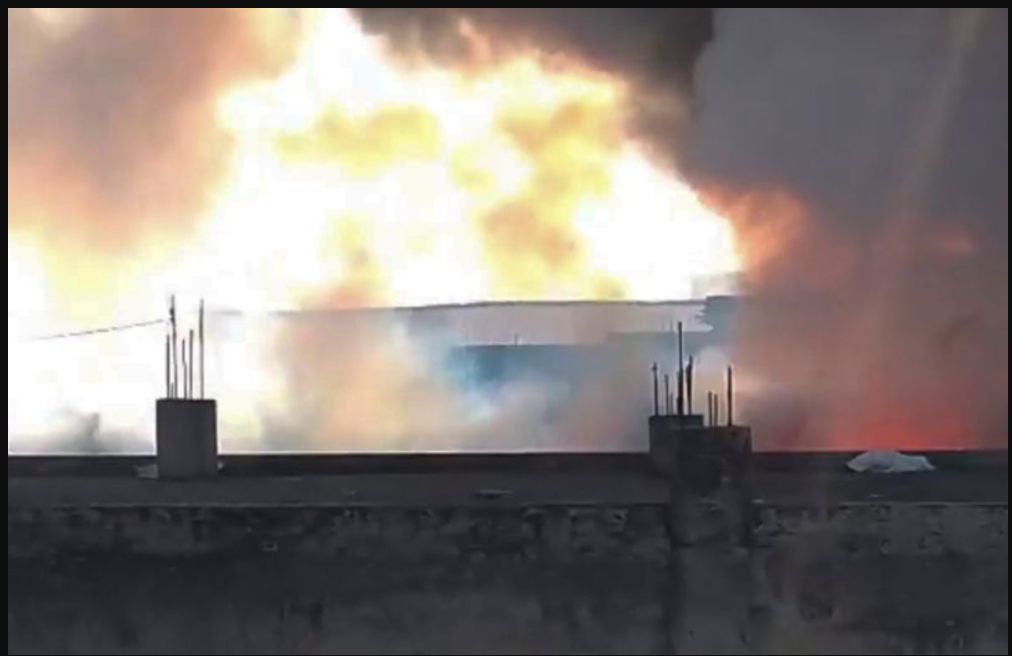
Fatal Night‑Time Fire at Chemical Factory Near Basai Village, Delhi
Mar 13, 2026
0
fatalities
0
injured
Sequence of events
Basic Incident Information
Date of fire: Thursday night (reported March 14, 2026)
Time discovered: Around 10:00 a.m. Friday during cleaning shift arrival
Location: Chemical factory in Basai village area of Sector 9, Delhi, India
Victim: Hetram, 35, cleaner, native of Madhya Pradesh
Incident type: Night‑time factory fire resulting in one fatality
Incident Description
According to police, a chemical factory located in the Basai village area of Sector 9 “suddenly caught fire” late Thursday night while the facility was out of operation. No regular employees were believed to be present at the time, but Hetram, who worked as a cleaner and was inside the premises, was trapped as the fire engulfed the factory.
Local people reportedly extinguished the fire after some time, and the fire brigade was not informed. Because it was assumed that no one was inside, there was no search of the premises during the night. When cleaning crews arrived around 10:00 a.m. on Friday, they discovered Hetram’s charred body inside the factory.
He suffered severe burns and died on the spot. Police stated that preliminary investigation suggests the fire may have been caused either by a short circuit or a chemical leak, though the exact cause has not yet been confirmed. The body was sent to the mortuary for post‑mortem examination and the family of the deceased has been informed.
Immediate Actions and Investigation
Police recovered the body, arranged post‑mortem, and notified next of kin.
A preliminary probe indicated a likely short circuit or chemical leak as the origin of the fire.
Formal investigation is ongoing to establish the precise cause and examine conditions at the factory at the time of the fire.
Preliminary Learnings and Safety Focus
Even with limited technical detail, this case underscores several critical chemical‑industry and off‑hours safety issues:
Ensure clear controls and authorization for after‑hours work (including cleaners, maintenance, and security), with sign‑in/sign‑out procedures so all personnel can be accounted for in an emergency.
Maintain robust electrical safety and equipment inspection regimes in chemical facilities to reduce the likelihood of short‑circuit‑initiated fires.
Implement strict storage and housekeeping standards for chemicals, including segregation, spill control, and ventilation, to minimize fire and leak escalation potential.
Establish mandatory protocols for notifying the fire brigade for any industrial fire, even if initially managed by nearby people, and ensure post‑fire checks to confirm no persons remain inside the premises.
Speak up before the next one
EntirelySafe gives workers a place to raise safety concerns, and gives safety leaders a way to see the patterns those concerns form — before they become an incident like this one.
Comments
Sign in to join the conversation