minor · other
Fatal Press Machine Maintenance Incident at Ford Sharonville Transmission Plant, Ohio
Mar 16, 2026
0
fatalities
0
injured
Sequence of events
Basic Incident Information
Date of incident: Monday, March 16, 2026 (reported March 17, 2026)
Time of incident: Around 9:45 a.m.
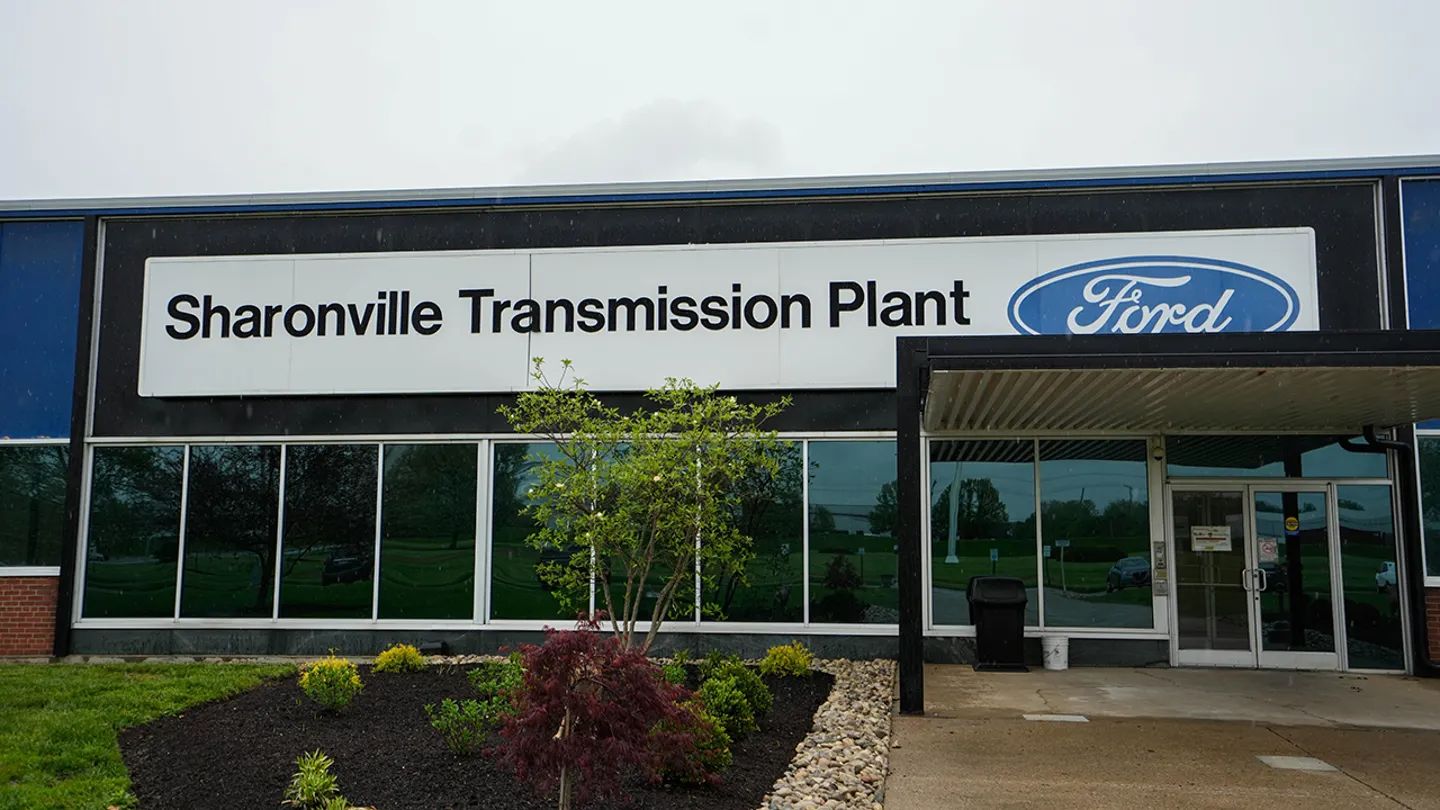
Location: Ford Sharonville Transmission Plant, E. Sharon Road, Sharonville, Ohio, USA
Company: Ford Motor Company
Incident type: Fatal industrial accident involving mechanical press during maintenance
Incident Description
Emergency services were called to Ford’s Sharonville Transmission Plant at about 9:45 a.m. following reports of an industrial accident. Responders arrived to find a large press machine that had been undergoing routine maintenance when it unexpectedly turned on and pinned a worker.
The trapped employee was freed from the machine and first responders performed life‑saving measures before transporting him to Bethesda North Hospital. The worker, identified by the Hamilton County Coroner’s Office as 61‑year‑old Gregory Knopf, was later pronounced dead at the hospital.
Sharonville police stated there were multiple witnesses and that the case is being treated as an industrial accident. A Ford spokesperson described the event as a “tragic incident,” confirmed the death of an employee, and said the company is in contact with the family, offering support and counselling services to employees at the plant.
Immediate Response and Investigation
Emergency medical services and local responders attended, extricated the worker, and transported him to hospital, where he was pronounced dead.
Sharonville Police Department opened an investigation, noting multiple witnesses to the incident.
The Hamilton County Coroner’s Office is investigating the medical cause of death.
OSHA has initiated an investigation into the incident, along with Ford Motor Company’s internal administrative investigation.
Preliminary Learnings and Safety Focus
Technical root causes are not yet known, but this incident highlights critical controls for maintenance on hazardous machinery such as presses:
Strict application of lockout/tagout (LOTO) procedures to ensure all sources of energy (electrical, hydraulic, pneumatic, mechanical, stored energy) are fully isolated and verified before personnel enter danger zones.
Use of engineered safeguards (interlocks, presence‑sensing devices, guards) that prevent unexpected start‑up or movement when workers are in the machine’s line of fire.
Clear maintenance procedures, permits to work, and supervision for routine and non‑routine tasks on production equipment, with specific checks for unexpected re‑energisation risks.
Ongoing training and competency assurance for maintenance and operations personnel on machine safety, LOTO, and safe access to press lines and other high‑force machinery.
Speak up before the next one
EntirelySafe gives workers a place to raise safety concerns, and gives safety leaders a way to see the patterns those concerns form — before they become an incident like this one.
Comments
Sign in to join the conversation