minor · other
Fatal Tower Crane Collapse at Kwai Chung Public Housing Construction Site, Hong Kong
Mar 18, 2026
0
fatalities
0
injured
Sequence of events
Basic Incident Information
Date of incident: Thursday, March 19, 2026 (afternoon)
Time of incident: Around 4:27 p.m. (local time)
Location: Public housing construction site at Tai Wo Hau Road Phases 1 and 2, near Pik Kwai House, Kwai Chung, New Territories, Hong Kong
Incident type: Tower crane collapse during construction work
Casualty: One male crane operator (about 60–62 years old) killed
Incident Description
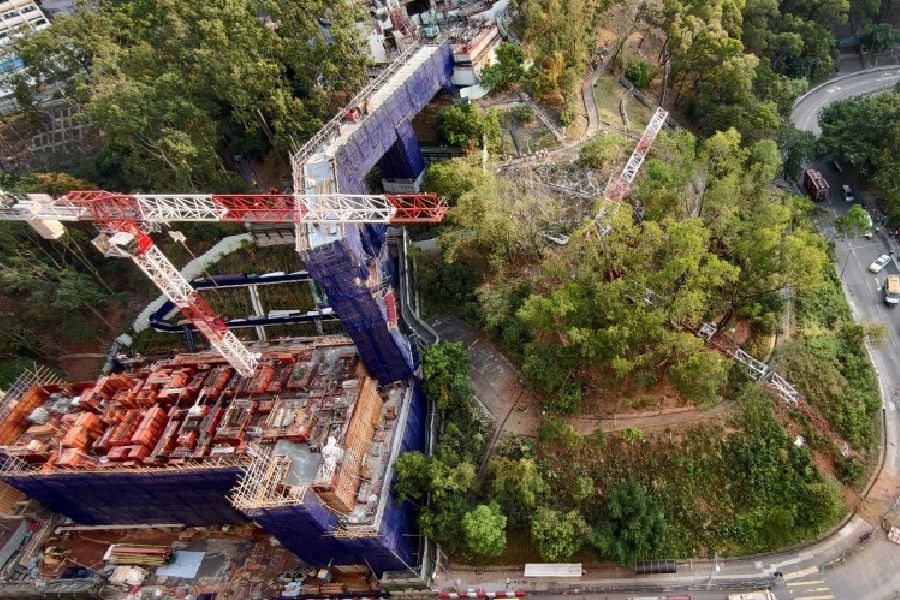
At approximately 4:27 p.m., a tower crane at a public housing construction site in Kwai Chung suddenly collapsed, causing the crane structure to crash to the ground. The operator, a man in his early sixties, was inside the crane cabin and fell with the crane as it came down. Emergency responders pronounced him dead at the scene.
The falling crane also threw up mud and debris, which struck a nearby truck and shattered its windows, though no additional injuries were reported. Firefighters searched the surrounding area after the collapse and confirmed there were no other victims. The collapse occurred close to residential blocks and busy pedestrian routes, but fortunately did not coincide with student rush hour, avoiding a potentially higher casualty toll.
Emergency Response and Authorities’ Actions
Fire Services and Police attended the scene, confirmed the fatality, and conducted a search to ensure no further casualties.
The construction site was cordoned off following the collapse.
Hong Kong’s Labour Department has launched an investigation into the cause of the tower crane collapse.
Housing Authority representatives indicated they are following up with the contractor and relevant departments regarding safety and contractual issues (as reported in related public housing safety coverage).
Contractor / Safety Context
Media reports identify the contractor on the site as Woon Lee Construction, a firm previously fined over fatal incidents at its sites in 2009 and 2011.
Hong Kong authorities have, in recent years, tightened scrutiny of contractors on public housing projects following multiple fatal construction accidents, including earlier crane‑related incidents.
Preliminary Learnings and Safety Focus
Although the precise structural or mechanical failure mode has not yet been disclosed, this incident reinforces several critical tower crane safety themes:
Robust design, installation, and verification of tower crane foundations, mast ties, and structural connections are essential to prevent catastrophic collapse. Lessons from previous Hong Kong crane collapses show that grillage/foundation design and welded connections can be critical failure points when inadequately engineered or inspected.
Comprehensive inspection and maintenance regimes must cover the full crane system (foundation, mast sections, slew ring, jib, ties, and climbing systems), especially on high‑density urban sites where third‑party risk is significant.
Clear exclusion zones for ground‑level traffic and non‑essential personnel around tower cranes can help reduce collateral damage if a collapse or dropped‑object event occurs.
Strong regulatory oversight and contractor performance monitoring, including response to prior fatal incidents and enforcement history, are vital when awarding and managing public housing construction contracts.
Status
Fatalities: 1 crane operator killed.
Other injuries: None reported.
Property damage: Collapsed tower crane and damage to at least one truck on the ground.
Investigation: Ongoing by the Hong Kong Labour Department and relevant authorities; cause of collapse not yet determined at time of reporting.
Speak up before the next one
EntirelySafe gives workers a place to raise safety concerns, and gives safety leaders a way to see the patterns those concerns form — before they become an incident like this one.
Comments
Sign in to join the conversation