minor · other
Hydrogen Explosion Claims a Life in AAK, Louisville
Sep 19, 2025
0
fatalities
0
injured
Sequence of events
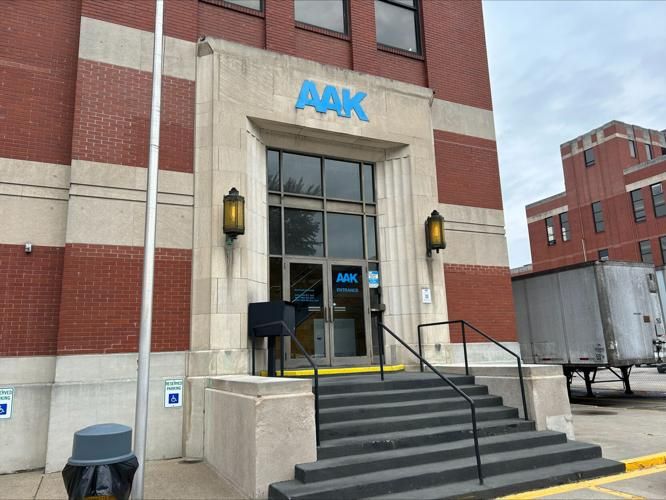
In the quiet of a Sunday afternoon, the calm of Louisville’s 7th Street Road was shattered by a deafening blast. The date was September 21, 2025 — a day that began like any other but ended in tragedy at the AAK Inc. processing plant in Shively, Kentucky.
A Routine Day Turned Deadly
At 12:39 p.m., alarms pierced the air. Firefighters from both Louisville and Shively rushed to the scene, responding to what first appeared to be a standard fire alarm. But as they arrived, there were no flames licking the sky — only the grim evidence of an explosion deep within the facility.
Employees guided first responders to the source: a hydrogen tank involved in a conversion process used to transform oils into usable products. According to Shively Fire Chief Charles Mucker, it was here — in the heart of the plant’s hydrogen operation — that something had gone catastrophically wrong.
“They use a lot of hydrogen to convert their oils into usable products,” Chief Mucker explained. “The explosion was in dealing with the hydrogen.”
When the smoke cleared, firefighters discovered the unthinkable — one worker had lost their life. The fire had been contained outside the main building, but the emotional damage was immeasurable.
Company in Mourning
In a statement released the following day, AAK confirmed the devastating loss:
“We are deeply saddened to confirm that an incident occurred at AAK’s Louisville facility in Kentucky on Sunday. Tragically, one of our colleagues lost their life. Our thoughts are with the family, friends, and colleagues affected by this loss… Safety is AAK’s top priority.”
Operations in the affected section were immediately shut down as investigations began. The company vowed to work hand in hand with authorities to uncover the cause and ensure such a tragedy never repeats.
A Troubled Past
This wasn’t the first time AAK had drawn the attention of emergency services. In December 2024, flames erupted at the same plant — a fire fueled by cooking-grade oil that ignited outside the structure. Then, in February 2025, the Occupational Safety and Health Administration (OSHA) conducted an inspection. Records show no violations were found at the time.
Yet, for many in the neighborhood, unease has lingered for years.
A Community on Edge
Across the street, Linett Brown described a haunting familiarity with the sound of sirens.
“I’ve seen fire trucks going back and forth because of issues with the company,” she said. “Something needs to be addressed very soon… I don’t like living like this.”
Her colleague Aleena Adams echoed her concern, her voice heavy with sorrow.
“It’s really sad. People have been warning about this for a long time. The fact that somebody did pass away is absolutely terrible.”
For residents, the tragedy was not just a moment of shock — it was a breaking point. A call for action. A demand for accountability.
The Silent Risk of Hydrogen
Hydrogen, though widely used in modern industry, carries a volatile danger. It’s odorless, invisible, and unforgiving. Even a small leak can create explosive conditions when combined with air. This incident serves as a stark reminder of how critical process safety and preventive controls are when working with high-energy materials.
A Lesson for All Industries
As the Louisville Metro Arson Unit leads the investigation, safety professionals across the globe are once again faced with an unsettling truth: complacency kills. Every process, no matter how routine, hides potential for catastrophe if not continually reassessed, verified, and controlled.
One life lost at AAK is one too many. But if the lessons from this tragedy can drive change — tighter safety protocols, stronger community engagement, and deeper hazard awareness — then perhaps this loss will not have been in vain.
Speak up before the next one
EntirelySafe gives workers a place to raise safety concerns, and gives safety leaders a way to see the patterns those concerns form — before they become an incident like this one.
Comments
Sign in to join the conversation