minor · other
Indian Pharmaceutical Factory Explosion - June 2025
Jun 28, 2025
0
fatalities
0
injured
Sequence of events
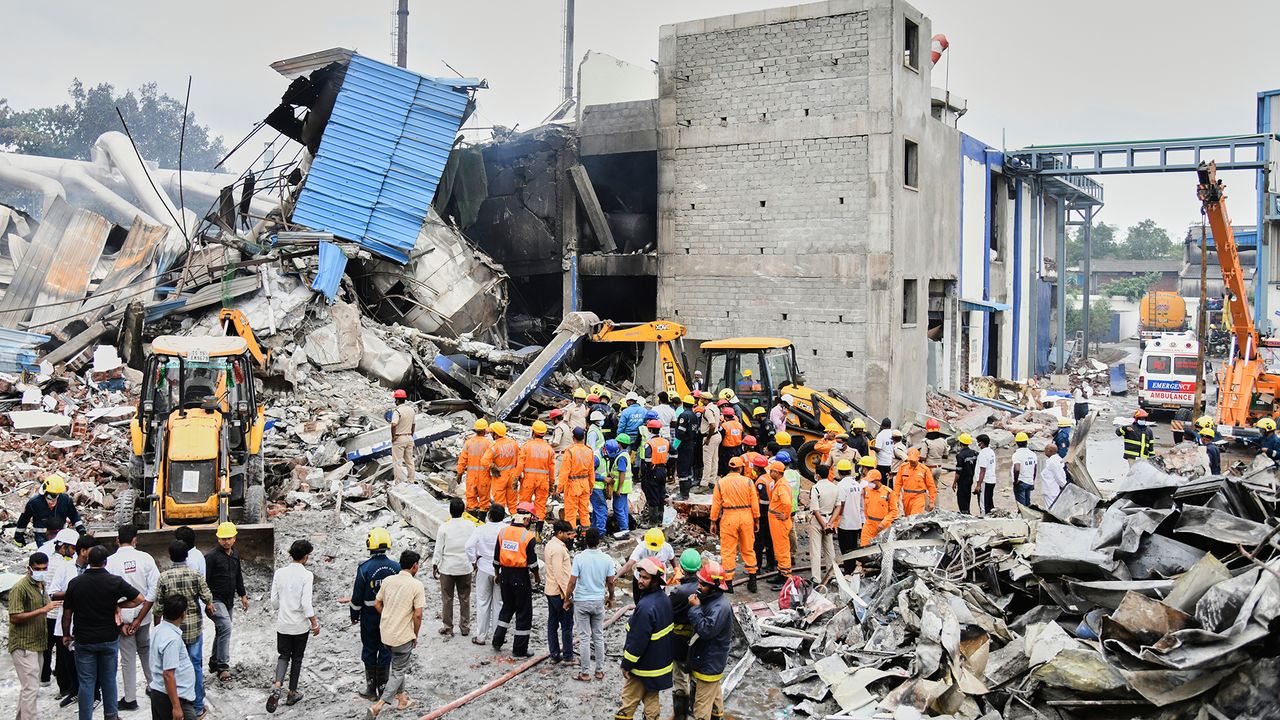
Telangana, India – July 8, 2025 – A horrific industrial explosion at Sigachi Industries, a prominent pharmaceutical factory in Telangana, on June 30, 2025, has sent shockwaves across India, claiming the lives of at least 42 workers and leaving many more injured. The catastrophic blast, reportedly heard two kilometers away, underscores the perilous state of industrial safety within the nation and ignites fierce criticism against a system accused of prioritizing profit over human life.
Sigachi Industries, established in 1989, is a significant player in the pharmaceutical sector, specializing in the manufacture of microcrystalline cellulose (MCC), a vital ingredient for pharmaceutical capsules, with exports reaching over 65 countries. However, preliminary reports and investigations into the disaster paint a grim picture of systemic failures and blatant disregard for safety protocols.
Sources indicate that the explosion was not an isolated incident but rather the tragic culmination of a series of critical errors and profound negligence. Faulty temperature sensors, alarm systems that reportedly failed to activate, a choked spray dryer, inadequate maintenance, and unsafe shift timings have all been cited as contributing factors. Disturbingly, the factory was allegedly operating without a valid fire certificate, a clear indication of regulatory oversight failures.
In the immediate aftermath, Telangana officials swiftly responded with offers of compensation to the victims' families and the formation of an expert panel tasked with investigating the egregious safety violations. Yet, a pervasive sense of public skepticism looms, questioning the genuine commitment to fulfilling these promises and the likelihood of those responsible facing criminal charges.
This tragedy is far from an isolated event in India's industrial landscape. The year 2025 alone has witnessed a alarming surge in industrial accidents, with over 100 worker deaths reported in the chemical and pharmaceutical sectors. Critics argue that the Indian government, under Prime Minister Narendra Modi's administration, has consistently prioritized unbridled industry growth and corporate profits at the expense of robust labor protections. This relentless push for economic expansion, coupled with weakened regulatory frameworks, is seen as directly contributing to the escalating frequency and severity of such industrial catastrophes.
The article concludes with a stark call to action, urging the political and industrial mobilization of the working class. It contends that only through a unified and determined stand can workers confront a capitalist system that, in its relentless pursuit of profit, continues to sacrifice human lives. The Sigachi Industries explosion serves as a brutal reminder of the urgent need for fundamental reforms to ensure worker safety and accountability within India's booming industrial sector.
Speak up before the next one
EntirelySafe gives workers a place to raise safety concerns, and gives safety leaders a way to see the patterns those concerns form — before they become an incident like this one.
Comments
Sign in to join the conversation