minor · other
Mass Casualty Fire at Car Parts Factory in Daejeon, South Korea – 14 Dead, 59 Injured
Mar 19, 2026
0
fatalities
0
injured
Sequence of events
Basic Incident Information
Date of incident: Friday, March 20, 2026
Time of incident: Around 1:00 p.m. (local time)
Location: Car parts factory in the central city of Daejeon, South Korea
Incident type: Large‑scale industrial fire with multiple fatalities and injuries
Incident Description
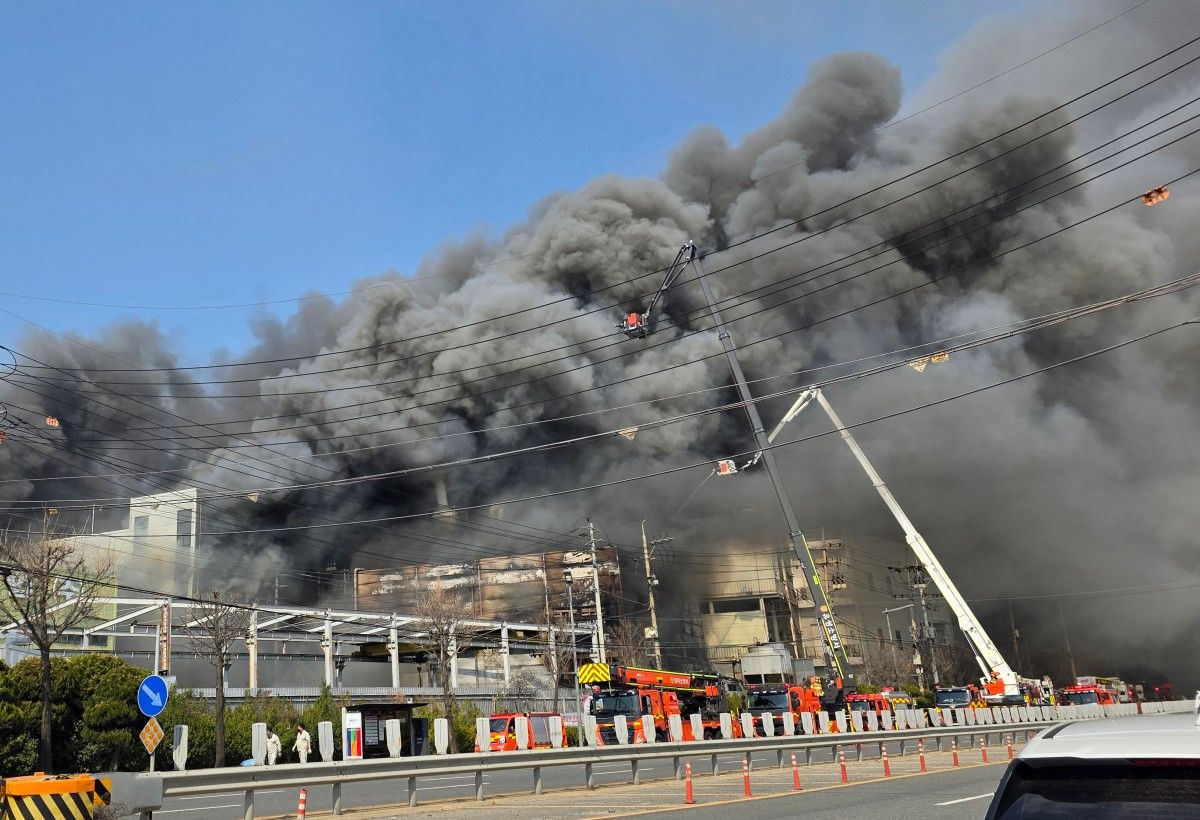
At about 1:00 p.m. on March 20, 2026, a major fire broke out at a car parts factory in Daejeon, South Korea, while approximately 170 workers were on site. The fire spread rapidly through the facility, producing heavy smoke visible over a wide area.
Fire crews were initially unable to enter the building to search for survivors due to the risk of structural collapse and the presence of sodium stored at the site, which can explode if improperly handled. A witness reported hearing an explosion, and images showed firefighters using elevated platforms to apply water as thick black smoke rose from the plant.
By Saturday afternoon, authorities confirmed that the fire had been extinguished and that the death toll had risen to 14, with no one reported missing. In total, 59 people were injured.
Casualties and Response
Fatalities: 14 workers killed.
Injuries: 59 people injured.
Challenges: Entry delayed by collapse risk and reactive sodium on site.
The fire was fully put out by Saturday afternoon after extended firefighting operations.
Government and Regulatory Actions
South Korean President Lee Jae Myung visited the site, met bereaved families, and pledged full support for victims and their families. He stated that the government will thoroughly investigate the cause of the incident and develop fundamental measures to prevent similar tragedies.
The event occurs against a backdrop of South Korea’s ongoing struggle with industrial safety, with more than 10,000 worksite deaths recorded between 2000 and 2024, and follows other serious industrial fires such as the 2024 Hwaseong lithium battery factory fire that killed 22 people and led to a 15‑year prison sentence for the company’s CEO.
Preliminary Learnings and Safety Focus
While the exact ignition source and sequence are still unknown, the incident highlights key themes for automotive parts and chemical‑using factories:
Strict control of reactive and hazardous materials (such as sodium), including compatible storage, segregation, fire protection design, and emergency procedures to prevent escalation when fires occur.
Robust fire detection, suppression, and structural fire protection to slow fire spread and maintain building stability long enough for safe evacuation and firefighter entry.
Clear emergency preparedness for high‑occupancy industrial sites (170 workers present), including drills, clearly marked escape routes, and accounting systems to rapidly verify who is inside during an incident.
Strong regulatory oversight, learning from previous catastrophic fires, and enforcement of safety obligations so that production priorities do not override worker safety.
Status
Fire: Extinguished by Saturday afternoon.
Casualties: 14 dead, 59 injured, no persons reported missing.
Investigation: Cause of the fire not yet announced; government has committed to a thorough investigation and systemic preventive measures.
Speak up before the next one
EntirelySafe gives workers a place to raise safety concerns, and gives safety leaders a way to see the patterns those concerns form — before they become an incident like this one.
Comments
Sign in to join the conversation