minor · other
Metallurgical Dust Explosion and Fire at Kazzinc Plant in Ust‑Kamenogorsk – Two Dead, Five Injured
May 4, 2026
0
fatalities
0
injured
Sequence of events
Basic Incident Information
Date of incident: Monday, 4 May 2026 (local time)
Time of incident: Around 8:15 a.m. local time (03:15 GMT)
Location: Kazzinc metallurgical facility, Ust‑Kamenogorsk, East Kazakhstan region, Kazakhstan
Incident type: Metallurgical dust explosion leading to fire and partial structural collapse
Incident Description
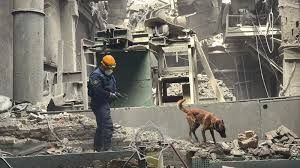
According to Kazinform, a metallurgical dust explosion occurred at about 8:15 a.m. in a plant operated by Kazzinc in Ust‑Kamenogorsk. The explosion triggered a fire covering roughly 120 square meters and caused a partial structural collapse in the affected area of the facility. Two people were killed and five others injured in the incident.
Emergency services responded and managed to contain the fire, after which debris‑clearance and site‑inspection activities continued. The explosion released metallurgical dust into the surrounding area, but environmental monitoring did not detect elevated levels of air pollution.
Casualties and Impact
Fatalities: 2 workers killed.
Injuries: 5 workers injured (severity not specified in the brief report).
Physical impact: Fire over about 120 m² of plant area and partial structural collapse in the explosion zone.
Environmental impact: Dust release reported, but monitoring showed no elevated ambient air‑pollution levels.
Preliminary Learnings and Safety Focus (for EntirelySafe publication)
Even with limited detail, several key metallurgical‑process safety points can be highlighted:
Dust explosion prevention: Metallurgical and process dusts can be explosible; facilities need robust controls on dust accumulation, ventilation, ignition‑source control, and explosion protection (venting, suppression, isolation).
Structural protection: Areas at risk of explosion should be designed to minimise catastrophic structural collapse (e.g., controlled venting surfaces, blast‑resistant construction where appropriate).
Emergency readiness: Effective emergency response, firefighting capability, and post‑incident structural assessment are essential to limit casualties and secondary damage.
Environmental and community monitoring: Prompt air‑quality monitoring after dust explosions helps confirm off‑site safety and guide any required public‑health measures.
Speak up before the next one
EntirelySafe gives workers a place to raise safety concerns, and gives safety leaders a way to see the patterns those concerns form — before they become an incident like this one.
Comments
Sign in to join the conversation