minor · other
Mexican Gold Mine Tailings Dam Collapse
Apr 8, 2026
0
fatalities
0
injured
Sequence of events
Basic Incident Information
Date of collapse: 25 March 2026
Location: Santa Fe gold mine, El Rosario, Mexico
Incident type: Tailings dam collapse leading to underground entrapment of miners
People affected underground: 4 miners trapped when the tailings dam collapsed
Incident Description and Rescue Timeline
25 March 2026 – Tailings dam collapse:
A tailings dam at the Santa Fe gold mine collapsed, trapping four miners underground. At least one miner was reported killed in the initial collapse.30 March – First miner rescued alive:
The Government of Mexico reported that one miner was found alive on 30 March after more than 100 hours of continuous rescue work.8–9 April – Second miner rescued after 13 days:
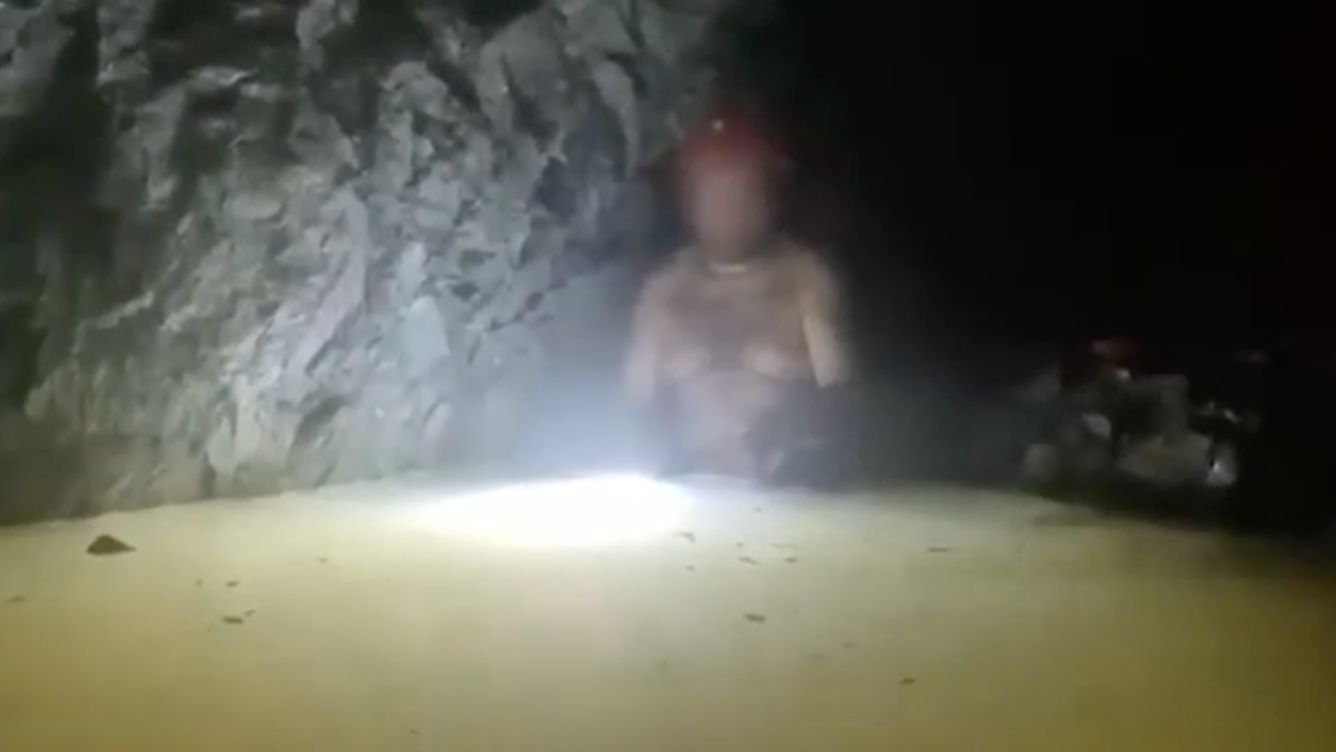
A second miner, 42‑year‑old Francisco Zapata Nájera, was located on Tuesday and then rescued on Wednesday after being trapped for 13 days (over 300 hours) underground.He was discovered in a corner, partially submerged in water, wearing his mining helmet.
Video shows rescuers talking to him, explaining the rescue plan, and panning over a large pile of collapsed rock as he described how high the water level had previously been.
The government said it took about 20 hours from the time he was located to bring him to the surface.
He was then transported by ambulance and airlifted by medical helicopter to hospital for treatment.
Status of other miners:
On the same Wednesday that Zapata Nájera was rescued, authorities announced they had located a third miner, deceased.
The search for the fourth and final missing miner is ongoing.
Mexico’s president, Claudia Sheinbaum Pardo, praised the “exceptional” efforts of the Mexican Army’s Emergency Response Battalion and the resilience of the trapped miner, calling the rescue “astonishing” after 13 days underground.
Emergency Response
Continuous, round‑the‑clock rescue operations have been conducted for more than 300 hours since the collapse, involving:
Mexican Army Emergency Response Battalion personnel
Other national rescue and emergency teams working to clear rockfalls, manage water, and access trapped miners
The rescue of Zapata Nájera required approximately 20 additional hours of careful work after his location was confirmed to safely bring him out through unstable, water‑affected workings.
Preliminary Learnings and Safety Focus
While technical details of the tailings dam failure are not provided in this source, the case highlights several key points for mine and tailings safety and emergency preparedness:
Tailings dam integrity:
Rigorous design, monitoring, and inspection of tailings storage facilities are critical to prevent structural failure that can rapidly impact active workings and underground access.
In‑mine emergency preparedness:
Emergency refuge strategies, escape routes, communications, and water/rockfall management plans can significantly affect survivability when collapses or inundations occur.
Rescue planning and persistence:
Large‑scale, multi‑day underground rescue operations require sustained coordination, resources, and technical expertise; the successful rescue after 13 days underscores the importance of not prematurely abandoning search efforts.
Post‑incident investigation and learning:
Thorough root‑cause investigation into the tailings dam collapse and its interaction with underground workings is essential, with lessons disseminated across the mining sector, especially sites with similar tailings and geotechnical conditions.
Current Status
Rescued alive: 2 miners (one after ~100 hours, one after 13 days).
Confirmed dead: At least 2 miners (one in the initial collapse; one later located deceased).
Still missing: 1 miner; search operations are continuing.
Speak up before the next one
EntirelySafe gives workers a place to raise safety concerns, and gives safety leaders a way to see the patterns those concerns form — before they become an incident like this one.
Comments
Sign in to join the conversation