minor · other
Second Death in GFL Gas Leak Incident
Sep 8, 2025
0
fatalities
0
injured
Sequence of events
A second life has been lost following the gas leak at Gujarat Fluorochemicals Ltd (GFL) in Panchmahal district, India. The tragic incident, which occurred on Wednesday, September 10, 2025, has now claimed two victims, underscoring the devastating impact of industrial gas leaks and the fragile line between routine operation and catastrophe.
A Tragedy That Deepened Over Days
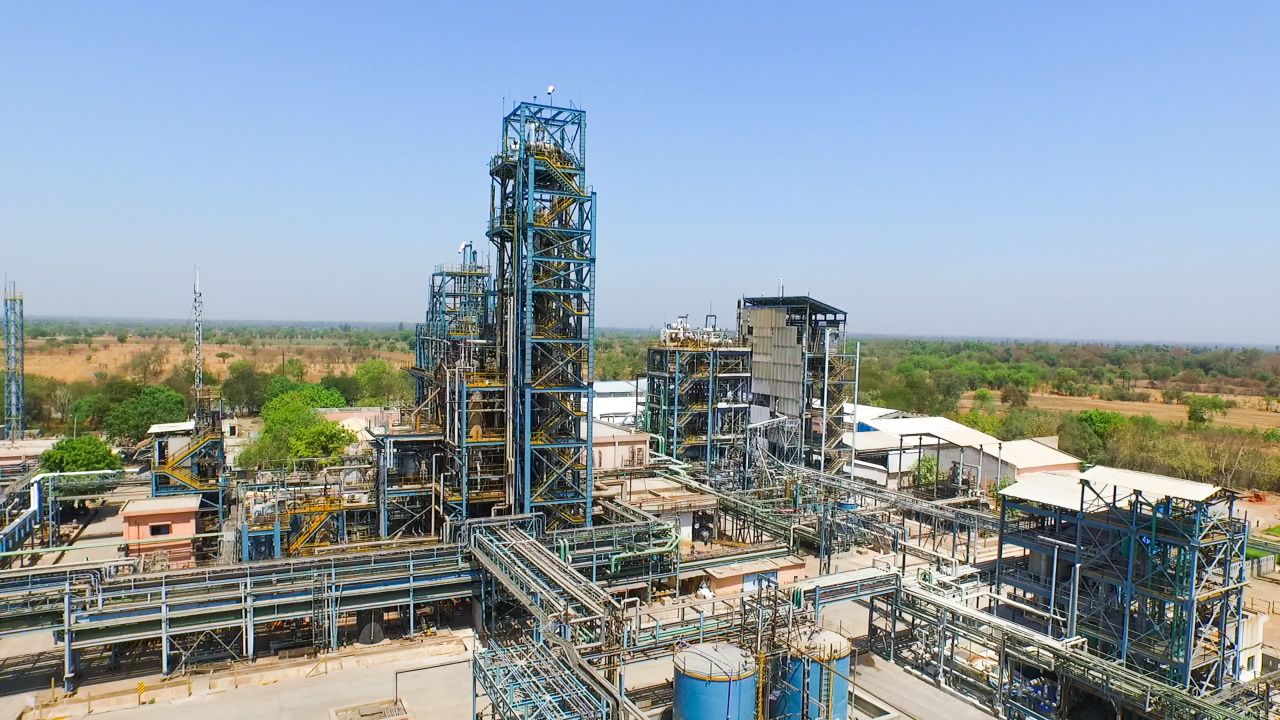
The gas leak took place around noon at GFL’s Ranjitnagar plant in Ghoghamba taluka, a facility engaged in the production of refrigerant gases. On the day of the incident, Haresh Vyas, a temple priest who visited the plant regularly, lost his life almost immediately after exposure.
Thirteen others were hospitalized — eleven at Bhailal Amin General Hospital (BAGH) in Vadodara and two at BAPS Hospital in Halol.
On Friday morning, another fatality was reported. Sanjay Mahida, a 35-year-old GFL laboratory technician, succumbed to his injuries at BAGH after two days of critical care. His brother, Dilawarsinh Mahida, said Sanjay had been on ventilator support since the day of the incident.
Sanjay was originally from Anand but had been living in Vadodara with his wife and young daughter.
“He was in the lab when it happened. He didn’t even have a chance to escape,” said a relative, speaking quietly outside the hospital. “He was dedicated to his work. This should never have happened.”
The Gas That Killed
Investigations have revealed that the leak occurred in the unit responsible for manufacturing R32, a refrigerant gas primarily used in air-conditioning systems. While R32 is considered less harmful to the ozone layer compared to earlier refrigerants, it can still cause suffocation or severe respiratory distress in high concentrations.
Plant sources said that operations in the affected unit were immediately halted after the leak, but it remains unclear what triggered the release.
A Familiar Pain
This is not the first time industrial safety has come under scrutiny in India’s chemical sector. The tragedy at GFL once again raises difficult questions about hazard control, maintenance standards, and emergency response readiness.
Residents in nearby areas reported panic as the smell of chemicals spread around the plant perimeter. Authorities have assured that the situation is under control, but investigations into the cause and accountability are ongoing.
“We are awaiting the official report on what led to the leak,” said a local official. “The priority now is ensuring there are no lingering hazards and that affected workers and their families receive full support.”
A Call for Accountability
Industrial gas leaks continue to expose systemic weaknesses in safety culture — from insufficient detection systems to poor evacuation planning. For the families of Haresh Vyas and Sanjay Mahida, no explanation can undo the loss, but transparency and accountability are essential to prevent repetition of such disasters.
As investigations proceed, the tragedy serves as another painful reminder: in the pursuit of production, safety cannot be treated as secondary.
Speak up before the next one
EntirelySafe gives workers a place to raise safety concerns, and gives safety leaders a way to see the patterns those concerns form — before they become an incident like this one.
Comments
Sign in to join the conversation