minor · other
Seven Miners Killed in Shaft Collapse at Chegutu Mine
Dec 14, 2025
0
fatalities
0
injured
Sequence of events
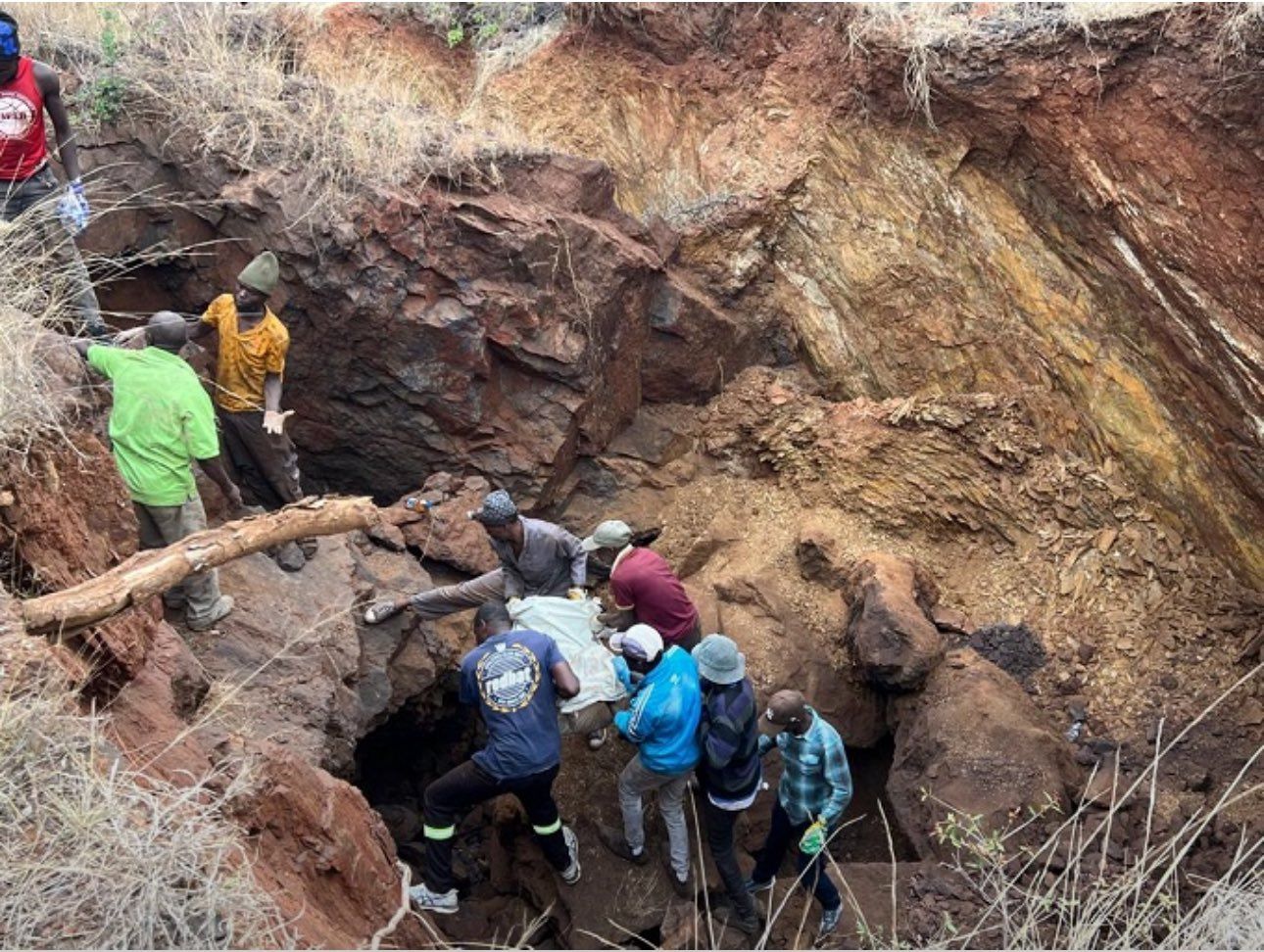
On December 15, 2025, a fatal mining accident occurred at Stewart 3 Mine, near Pickstone in Chegutu, Zimbabwe, when the shaft in which miners were working suddenly collapsed. The Zimbabwe Republic Police (ZRP) confirmed that seven miners died as a result of the collapse. Four other miners were injured and taken to a medical facility for treatment. Authorities have launched investigations to determine the cause of the collapse and whether safety procedures were being followed. Further details, including the identities of the deceased and injured, are expected to be released as the investigation progresses.
Mining operations, especially underground ones, involve inherent risks due to unstable structures, falling ground, and equipment hazards. When a shaft collapses, it can crush or trap workers without warning. In this incident, the speed and severity of the collapse left emergency responders with little time to act before lives were lost.
Each of the seven miners who lost their lives was a person with family, community, and a life outside the mine. The suddenness of such tragedies sends shockwaves through families and entire communities, forcing survivors, loved ones, and coworkers to grapple with incomprehensible loss in addition to practical challenges. Mining accidents like this one underscore the fragile boundary between daily labor and disaster for workers in high-risk sectors.
Officials have said investigations are underway to understand exactly how and why the shaft collapse occurred. Thorough investigations are critical not just for accountability, but for learning what safety gaps may have existed and how similar tragedies can be prevented in the future. In many mining incidents, families and communities are left without timely answers. They may not immediately know what led to the collapse or whether regulatory and safety standards were fully observed.
When a fatal workplace incident like this happens, families and survivors may face a complex path ahead. In many jurisdictions, including where mining accidents occur, a legal review may help families understand all rights and options available to them. Local attorneys experienced in mining and industrial accident cases understand the specific regulatory, investigative, and liability frameworks governing these incidents. These professionals can help families preserve evidence, interpret investigation findings, and, where appropriate, pursue avenues for accountability or compensation. Mining companies often work under national mining laws, and investigations involve multiple agencies. Experienced local legal counsel can help affected families navigate these processes at a time when clarity and support matter most.
EntirelySAFE will continue to follow this story as official authorities release more details about the Chegutu shaft collapse. For the full incident breakdown, evolving investigation updates, and expert insights into safety and legal perspectives on industrial accidents, visit the EntirelySAFE.com incident page. Each worker lost is a reminder of why safety systems, accountability, and informed support matter in hazardous industries.
Speak up before the next one
EntirelySafe gives workers a place to raise safety concerns, and gives safety leaders a way to see the patterns those concerns form — before they become an incident like this one.
Comments
Sign in to join the conversation