minor · other
Worker Dies After Chemical Explosion at Film Manufacturing Plant in Gimpo, South Korea
Jan 7, 2026
0
fatalities
0
injured
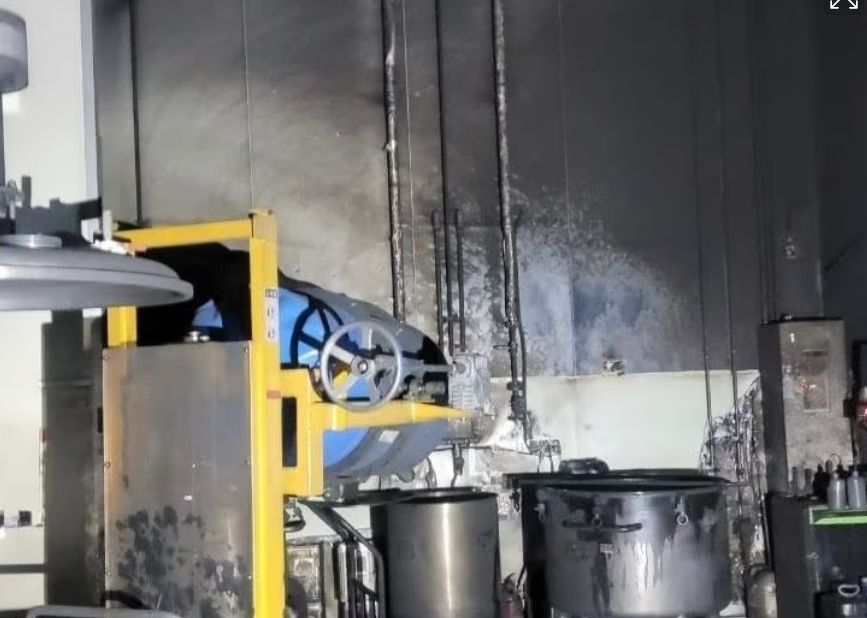
Sequence of events
Brief description
A male worker in his 30s died from severe burn injuries sustained in a chemical explosion and fire during a film manufacturing process involving hazardous substances and organic materials.
Detailed description
On 8 January 2026, at approximately 01:37 a.m., an explosion followed by a fire occurred during a chemical mixing operation at a film manufacturing plant in Tongjin-eup, Gimpo, Gyeonggi Province. The operation involved mixing hazardous materials with other organic substances as part of the plant’s film production process.
During the mixing activity, vapors generated from the substances reportedly reacted with static electricity, triggering an explosion and localized fire in the processing area. The plant’s automatic fire suppression system activated and contained the fire, preventing its spread to other areas of the facility.
A male worker in his 30s, who was performing the mixing task at the time, sustained second-degree burns over his entire body as a result of the explosion and fire. He was transported to hospital and remained under intensive treatment but died from his injuries at around 7:00 p.m. on 13 January 2026, five days after the incident.
Following the accident, the Bucheon branch of the Ministry of Employment and Labor ordered an immediate suspension of operations at the facility while investigations commenced. Police summoned on-site managers to determine whether appropriate safety management measures were in place, particularly for handling hazardous chemicals and controlling static electricity. Authorities are examining potential violations of the Serious Accidents Punishment Act and the Occupational Safety and Health Act, as the establishment employs five or more regular workers.
Injury/fatality information
One male worker in his 30s suffered second-degree burns across his entire body and died in hospital five days after the incident (fatality).
No other serious injuries have been reported.
Immediate causes (as reported)
Accumulation of vapors generated during mixing of hazardous materials and organic substances.
Ignition of vapors, reportedly by static electricity, leading to an explosion and fire.
Under investigation / systemic factors
Adequacy of controls for static electricity in areas where flammable vapors may be present.
Adequacy of safety management systems and procedures for handling hazardous chemicals in the mixing process.
Compliance with the Serious Accidents Punishment Act and the Occupational Safety and Health Act.
Lessons and prevention points (for readers)
Implement robust static electricity control measures (bonding, grounding, humidity control, anti-static equipment) wherever flammable vapors may form.
Conduct thorough hazard identification and risk assessment for chemical mixing operations, focusing on ignition sources and ventilation.
Ensure automatic fire suppression systems are complemented by process safety controls that prevent explosions, not only limit fire spread.
Provide specific training and procedures for workers handling hazardous chemicals, including emergency response and safe mixing practices.
Speak up before the next one
EntirelySafe gives workers a place to raise safety concerns, and gives safety leaders a way to see the patterns those concerns form — before they become an incident like this one.
Comments
Sign in to join the conversation