minor · other
Worker Dies From Toxic Vapors
Feb 4, 2026
0
fatalities
0
injured
Sequence of events
On 9 December 2020, Darren Nevill, a 38-year-old maintenance worker employed by Connect Property Services Limited, was tasked with laying a bathroom floor at a property in Hoddesdon, Hertfordshire. During the application of a flooring adhesive, Mr. Nevill collapsed and lost consciousness after inhaling high concentrations of toxic vapors. Despite emergency response efforts, the worker died at the scene. The subsequent legal proceedings concluded at Stevenage Magistrates Court on 26 January, where the company, a subsidiary of the Peabody Group, was held accountable for the fatal workplace incident.
Known Causes
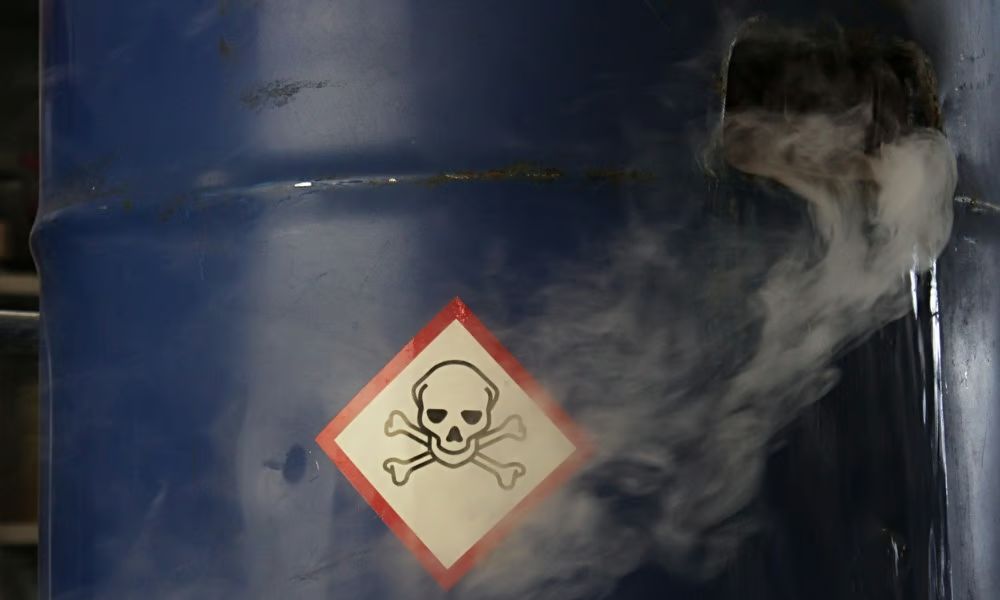
The primary cause of the fatality was the inhalation of Dichloromethane (DCM), a highly volatile solvent contained within the flooring adhesive. During the task, a pressurized glue canister became damaged, resulting in a rapid and uncontrolled release of the chemical into the confined space of the bathroom. Forensic analysis conducted by the Health and Safety Executive revealed that the statutory 15-minute exposure limit for DCM was reached in as little as 2 to 13 seconds. The final concentration of the solvent in the room was calculated to be 84.5 times the legal exposure limit, and post-mortem findings indicated that the victim had three times the fatal concentration of DCM in his system.
Potential Causes
Beyond the mechanical failure of the canister, several systemic factors likely contributed to the incident. DCM is known to evaporate quickly, creating heavy vapors that can rapidly displace breathable air in small or poorly ventilated areas like bathrooms. If the employer's risk assessment failed to account for the specific volume of the room or the potential for equipment failure, the worker would have been left without adequate protection. Furthermore, the reliance on a hazardous substance when safer alternatives were available suggests a gap in the hierarchy of controls, specifically regarding the substitution of dangerous chemicals for less toxic options.
Advice for Future
HSE professionals must prioritize the substitution of hazardous substances as the most effective method of risk control. If DCM-based products must be used, they must only be applied in areas with robust ventilation to prevent the accumulation of lethal vapors. Organizations should conduct thorough COSHH assessments that consider worst-case scenarios, such as equipment rupture or spills in confined spaces. Providing workers with specific training on the volatile nature of solvents and ensuring that respiratory protective equipment is appropriate for the chemical concentration is vital. Finally, regular equipment inspections should be mandated to ensure that pressurized delivery systems remain in safe working order.
Conclusion
The incident resulted in a £400,000 fine and nearly £10,000 in costs for Connect Property Services Limited following their guilty plea to breaching the Health and Safety at Work Act 1974. This tragedy underscores the extreme speed at which volatile organic compounds can create a lethal atmosphere. While the company has since banned the use of DCM-based adhesives and updated its safety protocols, the case serves as a somber reminder to the industry that rigorous chemical management and the elimination of high-risk substances are essential to ensuring that every worker returns home safely.
Speak up before the next one
EntirelySafe gives workers a place to raise safety concerns, and gives safety leaders a way to see the patterns those concerns form — before they become an incident like this one.
Comments
Sign in to join the conversation